Understanding Bi-Metallic Wear Blocks: The Metallurgy of Chrome-Moly White Iron Chocky Bars
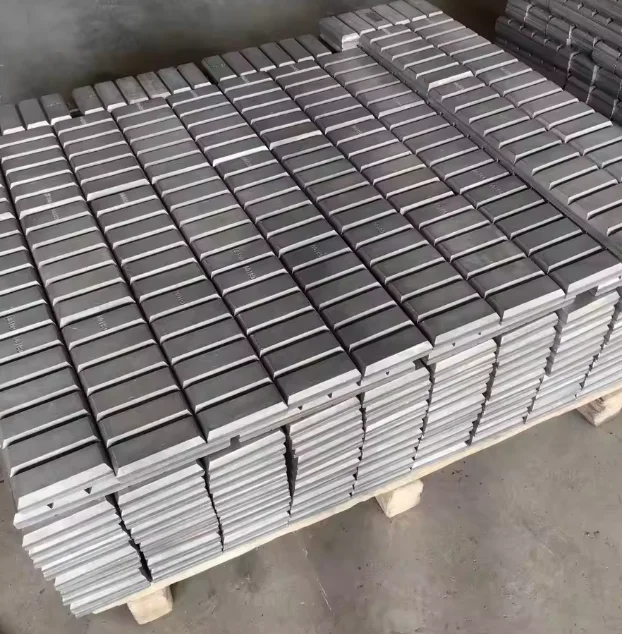
An engineering guide on bi-metallic wear blocks and chocky bars. Learn about the metallurgical bonding of ASTM A532 chrome-moly white iron to mild steel backing plates.
In heavy industries such as open-pit mining, dredging, steel manufacturing, and cement processing, equipment is subjected to extreme abrasive wear. Excavator buckets, chute liners, hopper walls, and shredder teeth are constantly ground down by hard, abrasive minerals.
To protect these components, engineers specify bi-metallic wear blocks (commonly referred to as chocky bars, wear buttons, or wear strips).
Unlike standard steel liners, bi-metallic wear blocks are composite materials that metallurgically bond an ultra-hard, wear-resistant casting to a weldable mild steel backing plate.
This technical article analyzes the metallurgy, chemical composition, and mechanical properties that make bi-metallic wear blocks the industry standard for severe wear protection.
1. The Metallurgy of the Bi-Metallic Bond
A common failure mode of ultra-hard wear materials (such as ceramics or high-alloy steels) is their brittleness. When subjected to high-impact forces, they crack and shatter. Conversely, ductile materials (like mild steel) can handle impact but wear away rapidly under abrasion.
Bi-metallic wear blocks solve this dilemma by combining both properties into a single, cohesive unit.
The Diffusion Bonding Process
The two layers are not merely glued or mechanically fastened; they are joined via a high-temperature vacuum brazing or liquid-solid diffusion bonding process.
- The Bond Interface: Under intense heat and vacuum, carbon and chromium atoms diffuse across the boundary between the white iron and the mild steel, creating a high-strength metallurgical bond.
- Shear Strength: The resulting bond line has a shear strength exceeding 250 MPa (36,000 PSI), ensuring that the hard wear layer will not delaminate or break away from the backing plate even under extreme impact.
2. Chemical Composition and Hardness: ASTM A532 Class II Type B
The wear-resistant layer of a premium bi-metallic block is cast from a high-chromium molybdenum white iron, conforming to ASTM A532 Class II Type B (commonly referred to as 15/3 Cr-Mo).
Chemical Composition Breakdown (VOTNE Standard)
The exceptional wear life is a result of the precise balance of alloying elements:
| Element | Weight % | Purpose in the Alloy |
|---|---|---|
| Chromium (Cr) | 14.0% - 18.0% | Forms ultra-hard primary chromium carbides ($Cr_7C_3$) |
| Carbon (C) | 2.5% - 3.5% | Combines with chromium to form carbides; increases hardness |
| Molybdenum (Mo) | 1.5% - 3.0% | Improves hardenability and prevents pearlite formation |
| Manganese (Mn) | 0.5% - 1.5% | Deoxidizes the melt and stabilizes the austenitic matrix |
| Silicon (Si) | 0.3% - 0.8% | Increases fluidity during casting |
Microstructure and Hardness
- Hardness: The wear layer achieves a minimum hardness of 700 Brinell (HB) or 63 Rockwell C (HRC).
- Microstructure: The microstructure consists of primary chromium carbides ($Cr_7C_3$) embedded in a hard martensitic/austenitic matrix. These chromium carbides have a micro-hardness of up to 1500 Vickers (HV), which is harder than quartz, silica, and most geological minerals, allowing them to easily resist abrasive scratching.
3. Design Varieties: Chocky Bars, Buttons, and Shredder Tips
Bi-metallic wear blocks are manufactured in several geometries to fit different areas of heavy equipment.
Wear Block Geometries and Applications
Chocky Bars
Featuring V-grooves that allow the bar to be bent and formed to curved surfaces (such as bucket radiuses).
Wear Buttons
Circular domes that protect high-impact localized areas and redirect material flow to create a “dead-bed” effect.
Bolt-On Blocks
Designed with cast-in threaded studs or bolt holes for rapid mechanical replacement without hot-work permits.
4. The Welding Advantage: Why Backing Plates Matter
Standard cast white iron cannot be welded; attempting to weld it results in immediate cracking due to thermal shock and carbon pick-up in the weld pool.
The mild steel backing plate (typically Q235 or ASTM A36) solves this problem:
- Weldability: The mild steel plate acts as a buffer. Since it has low carbon content, it can be easily welded to the equipment’s carbon steel structure using standard low-hydrogen electrodes (such as E7018) or wire.
- Structural Flexibility: The backing plate absorbs the thermal stresses during welding, protecting the brittle white iron layer from cracking.
Conclusion: Partner with VOTNE for Severe Wear Protection
Protecting your heavy machinery from abrasion requires materials engineered for the toughest conditions. At VOTNE, our bi-metallic chocky bars, wear buttons, and custom liners are manufactured with a vacuum-brazed metallurgical bond that guarantees zero delamination. With a consistent hardness of 63 HRC / 700 HB throughout the wear layer, VOTNE wear blocks deliver up to 3 to 5 times the service life of standard Q345 or AR400 wear plates.
Contact our engineering team today to specify the right wear block dimensions and configurations for your fleet.
- Email: engineering@votne.com
- Technical Support: Fill out our Contact Form to consult with a B2B parts specialist.
Etiquetas
Recursos Relacionados
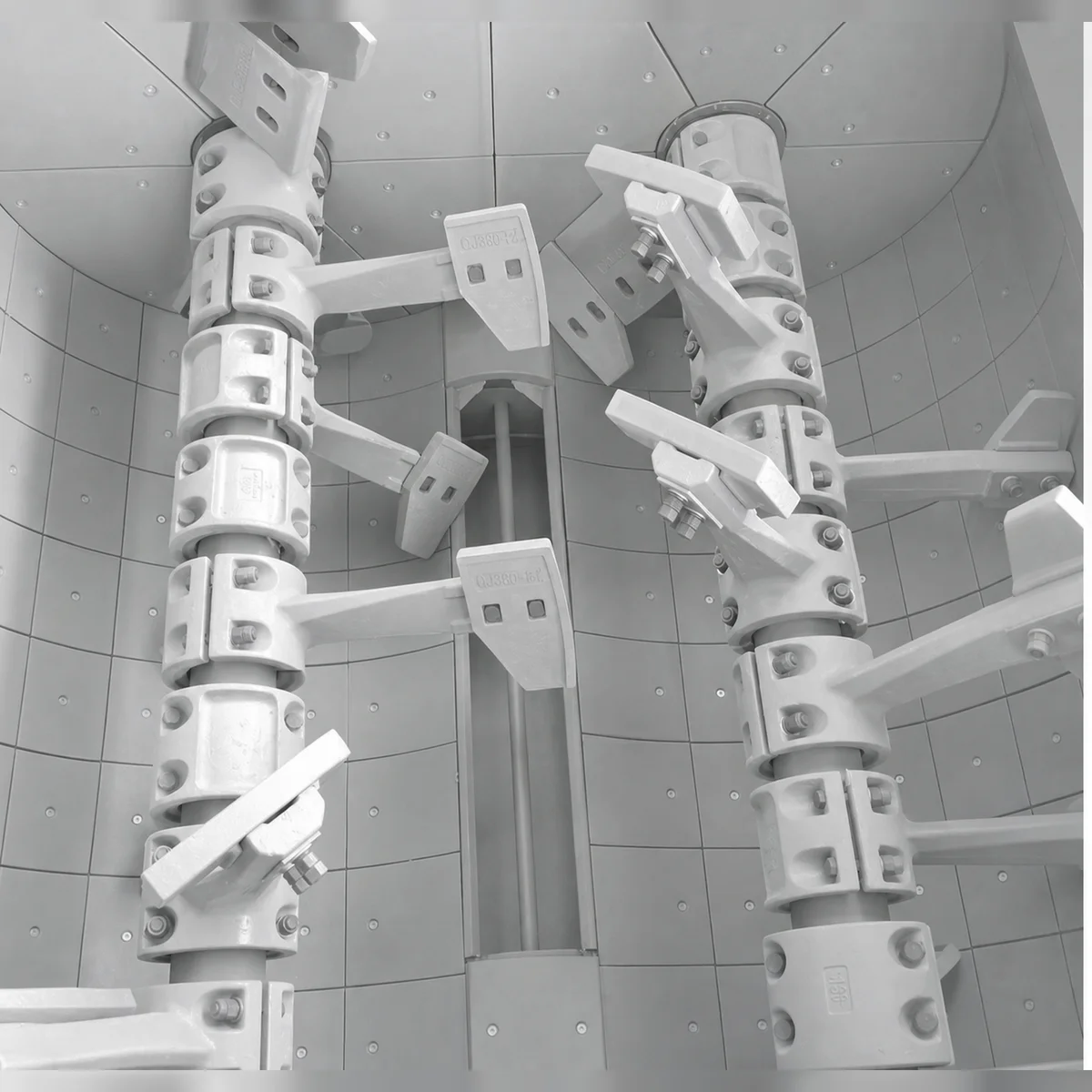
Concrete Mixer Liner Maintenance & Replacement Guide: Troubleshooting Wear Patterns, Bolt Torque Specs, and Downtime Reduction
Uneven liner wear and loose countersunk bolts are the leading causes of mixer drum gouging and unscheduled downtime in batching plants. This guide covers step-by-step maintenance protocols, clearance tuning, and failure prevention.
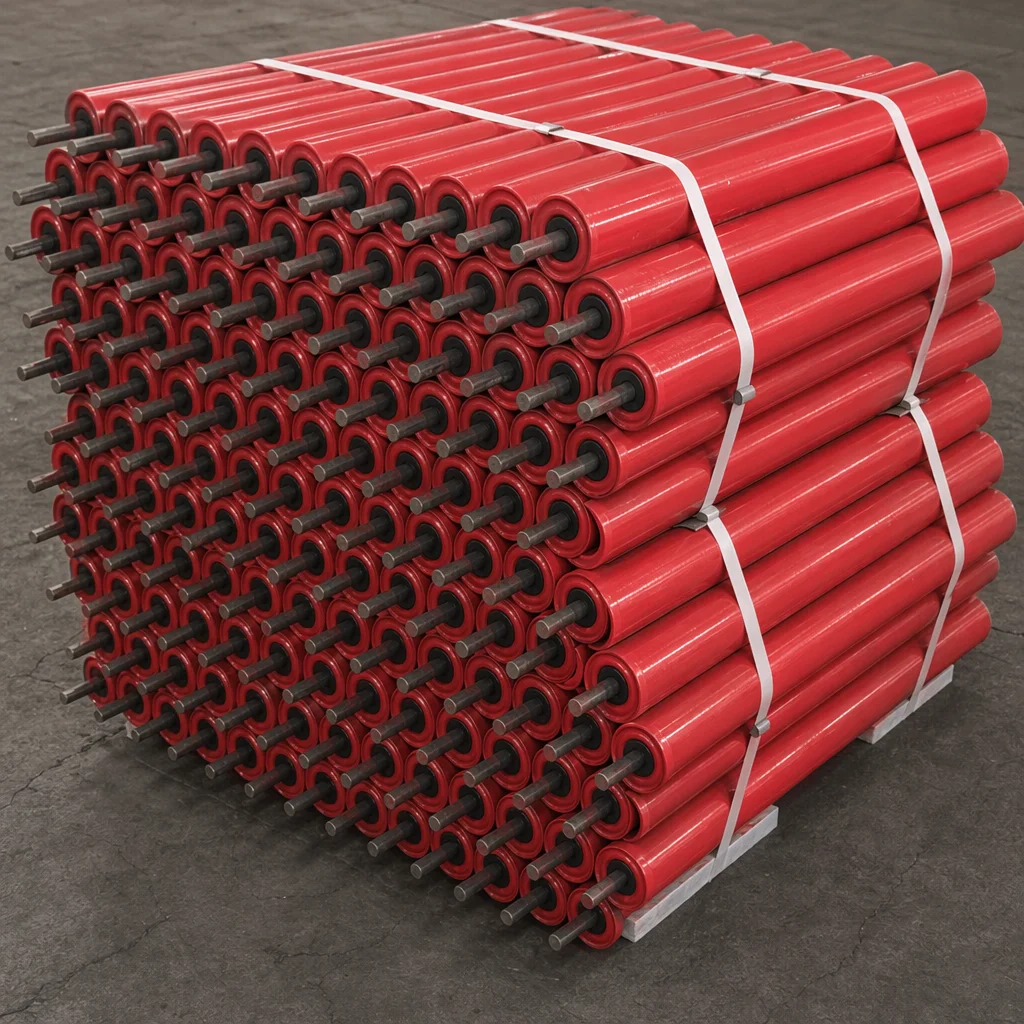
How to Select and Optimize Conveyor Rollers for Heavy-Duty Industrial Applications
Conveyor rollers are the unsung heroes of bulk material handling. Specifying the correct tube thickness, bearing clearance, and sealing system can reduce operational downtime by up to 40%.
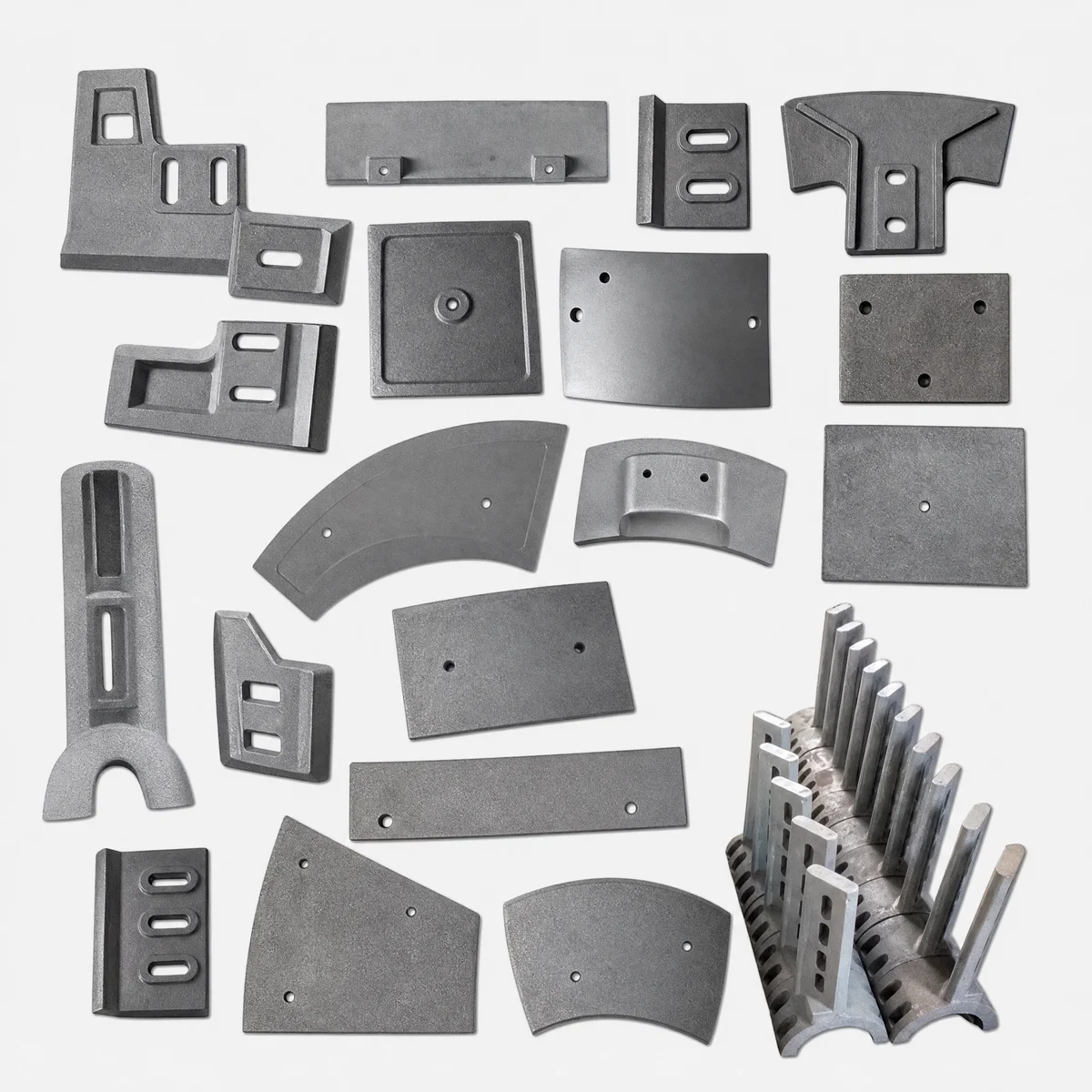
Concrete Mixer Arm Maintenance & Troubleshooting Guide: Preventing Keyway Shearing, Arm Fracture, and Blade Alignment Failures
Loose hub clamp bolts and misaligned mixing arms are the leading causes of mixer shaft keyway shearing and severe liner gouging. Follow this field maintenance guide to calibrate arm pitch and eliminate emergency downtime.