Specifying Impact and Return Rollers: Maximizing Conveyor Belt Lifespan with Rubber and Polyurethane Lagging
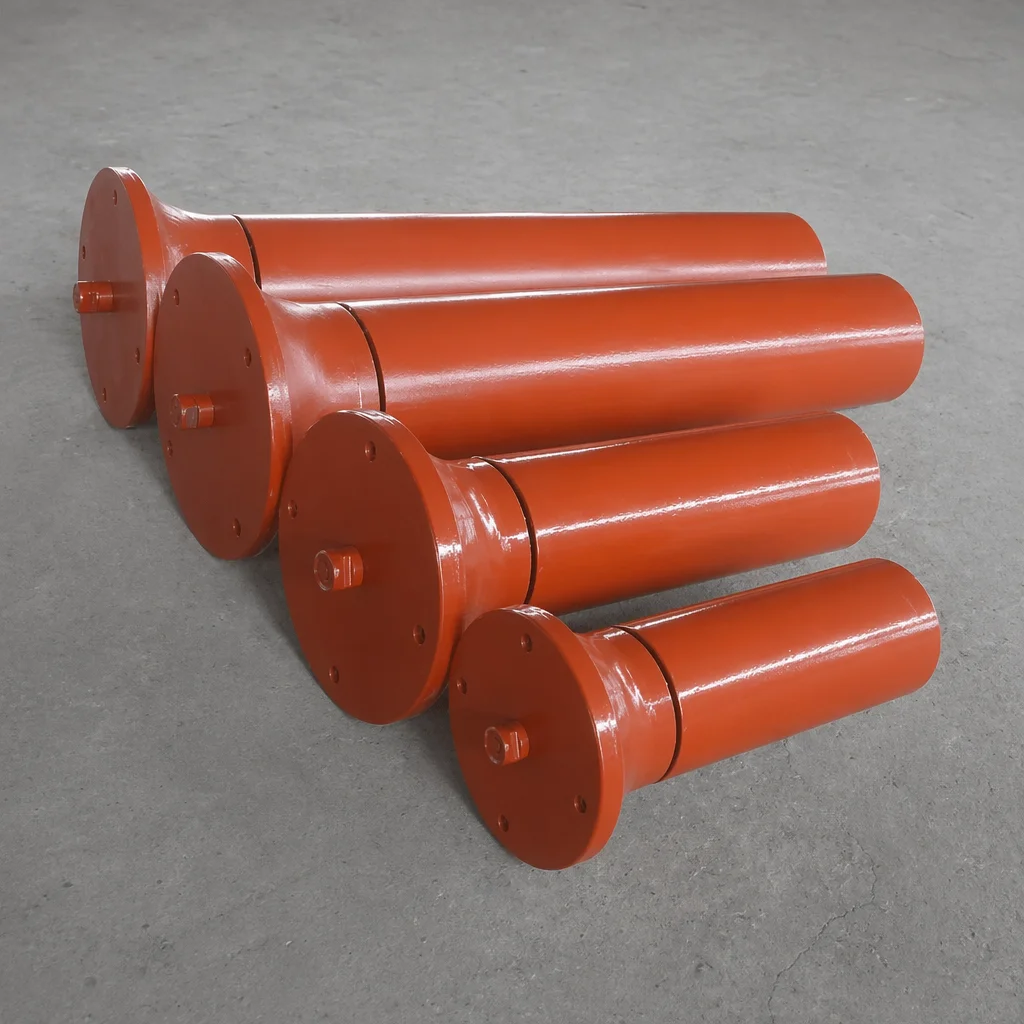
An engineering analysis on specifying impact and return rollers. Learn how rubber and polyurethane lagging absorb impact energy, prevent material buildup, and protect conveyor belts.
Conveyor belts represent the single largest capital investment in a bulk material handling system, often accounting for 50% to 70% of the total system cost. Protecting this asset from premature wear and catastrophic damage is a top priority for plant managers and maintenance engineers.
The two areas where conveyor belts are most vulnerable to damage are:
- The Loading Zone: Where high-velocity, falling bulk materials cause severe impact damage, punctures, and carcass bruising.
- The Return Run: Where sticky material carryback clings to the belt, building up on steel rollers and causing abrasive cover wear and tracking errors.
To mitigate these risks, engineers specify rubber-lagged impact rollers and polyurethane-coated return rollers. This technical guide analyzes the material properties, application criteria, and cost-benefit ratios of lagged rollers.
1. The Physics of the Loading Zone: Specifying Impact Idlers
When heavy, jagged materials (such as run-of-mine ore, limestone, or coal) drop from a feeder chute onto a conveyor belt, the kinetic energy must be absorbed. Standard steel rollers cannot deform; this forces the conveyor belt to absorb the entire impact, leading to cuts in the top cover and fractures in the internal fabric or steel cord carcass.
*Note: The elastic deformation of the rubber discs reduces peak impact stress on the belt cover by up to 70%.
Rubber Disc Impact Rollers
Impact rollers are positioned directly beneath the loading chute. Instead of a bare steel shell, they feature a series of high-durometer rubber rings (discs) assembled along the tube.
- Cushioning Effect: The rubber discs compress under impact, distributing the force over a larger area and reducing the peak impact stress on the belt by up to 70%.
- Material Specifications: Premium impact rollers utilize natural or synthetic rubber with a hardness of 60 to 65 Shore A and excellent abrasion resistance.
Impact Roller Spacing
In the loading zone, idler spacing must be significantly tighter than along the normal conveyor run to prevent the belt from sagging between rollers:
- Typical Spacing: 300mm to 600mm (12 to 24 inches) depending on the material drop height and lump size.
2. Managing Carryback: Rubber & Polyurethane Return Rollers
After the conveyor belt discharges its load at the head pulley, it travels back along the return run. Despite scrapers and cleaners, a small amount of fine, sticky material (carryback) always remains on the belt.
If standard steel rollers are used on the return run, this carryback transfers to the roller shell, hardening into a jagged crust (scaling). This scaling causes:
- Belt Cover Wear: The abrasive crust grinds away the bottom cover of the belt.
- Tracking Issues: Uneven buildup creates an artificial crown on the roller, causing the belt to drift.
Rubber Disc Return Rollers (Flat & V-Return)
By replacing flat steel return rollers with rubber disc return rollers, the contact area between the belt and the roller is minimized. The rubber discs are spaced along the shaft, and as the belt flexes over them, any accumulated material is broken loose and shed, preventing scaling.
Polyurethane-Coated Rollers: The Premium Standard
For highly abrasive, sticky, or corrosive materials (such as fertilizer, chemical salts, or wet sand), polyurethane (PU) lagging is the superior choice.
Lagging Material Comparison
Natural/Synthetic Rubber
- Hardness: 60-65 Shore A
- Abrasion Resistance: Good (Base reference)
- Chemical Resistance: Moderate (Prone to swelling in contact with oils/solvents)
- Best For: Standard mining loading zones, aggregate handling.
Polyurethane (PU)
- Hardness: 85-95 Shore A or 90 Shore D
- Abrasion Resistance: Outstanding (Up to 4x the lifespan of rubber)
- Chemical Resistance: Excellent (Resists oils, acids, and ozone)
- Best For: Wet/sticky environments, chemical processing, high-speed conveyors.
3. Calculating Impact Energy to Specify the Correct Roller
To determine whether standard rubber disc rollers are sufficient or if a heavy-duty impact bed is required, engineers calculate the impact energy (Eimpact):
Eimpact = m × g × H
Where:
- m = Mass of the largest material lump (kg)
- g = Acceleration due to gravity (9.81 m/s²)
- H = Material drop height (m) (the vertical distance from the discharge pulley to the belt)
Specification Thresholds:
- E_impact under 200 Joules: Standard rubber disc impact rollers are sufficient.
- E_impact between 200 and 1,000 Joules: Heavy-duty rubber impact rollers with C3 bearings and reinforced shafts are required.
- E_impact over 1,000 Joules: A dedicated impact slider bed (featuring UHMW polyethylene sliding bars backed by high-damping rubber cores) must be installed to prevent belt puncturing.
Conclusion: Protect Your Belt Investment with VOTNE
Every conveyor system has unique challenge zones. Using the wrong roller coating can lead to premature wear of both the roller and the conveyor belt.
At VOTNE, we manufacture a comprehensive range of rubber disc impact rollers, rubber return rollers, and premium polyurethane-sleeved rollers. Our polyurethane formulations are specifically engineered for maximum cut-growth resistance and low coefficient of friction to ensure your belt slides smoothly without material buildup.
Contact our application engineers today to calculate your loading zone impact forces and specify the optimum lagging solution.
- Email: engineering@votne.com
- Technical Support: Fill out our Contact Form to consult with a B2B parts specialist.
Теги
Похожие ресурсы
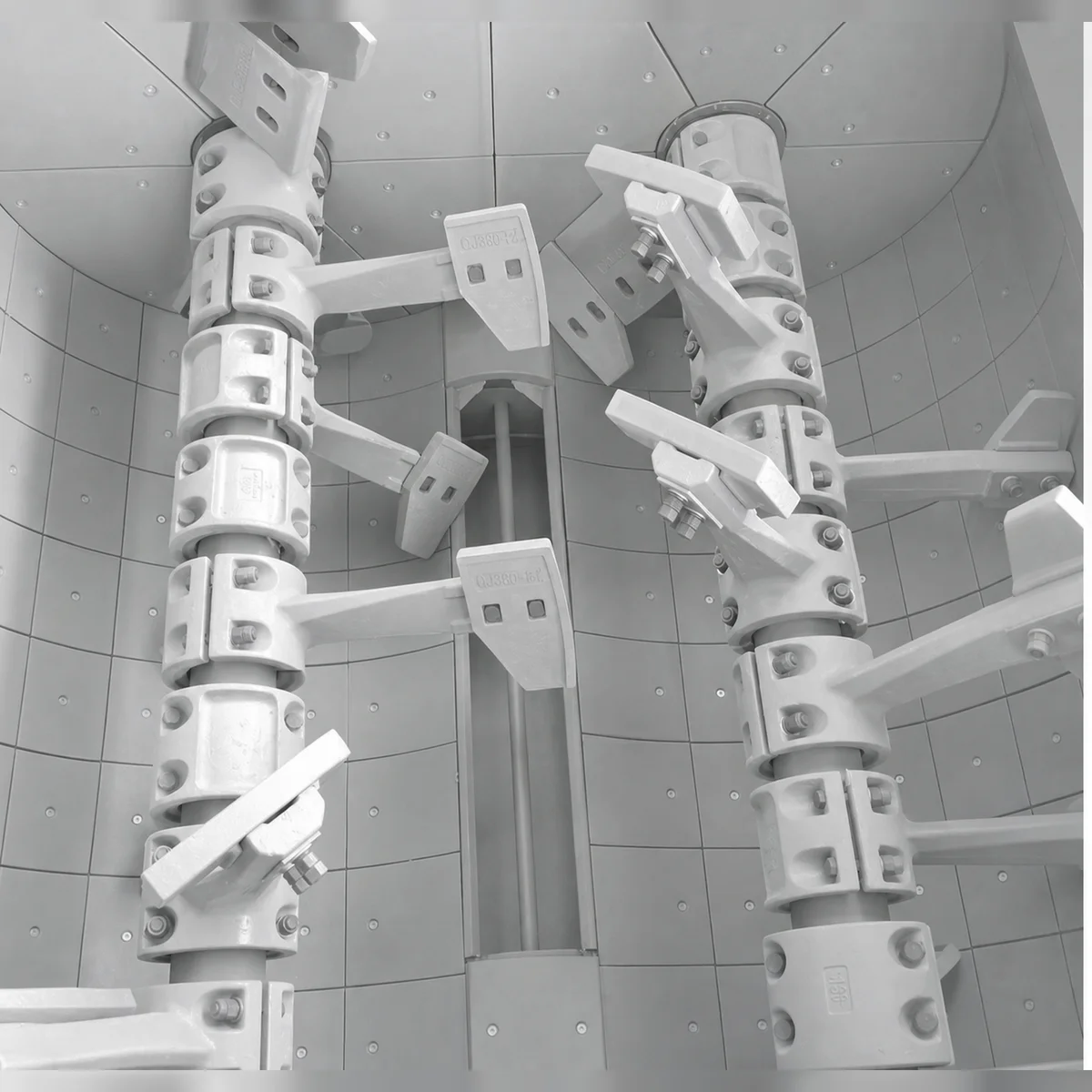
Concrete Mixer Liner Maintenance & Replacement Guide: Troubleshooting Wear Patterns, Bolt Torque Specs, and Downtime Reduction
Uneven liner wear and loose countersunk bolts are the leading causes of mixer drum gouging and unscheduled downtime in batching plants. This guide covers step-by-step maintenance protocols, clearance tuning, and failure prevention.
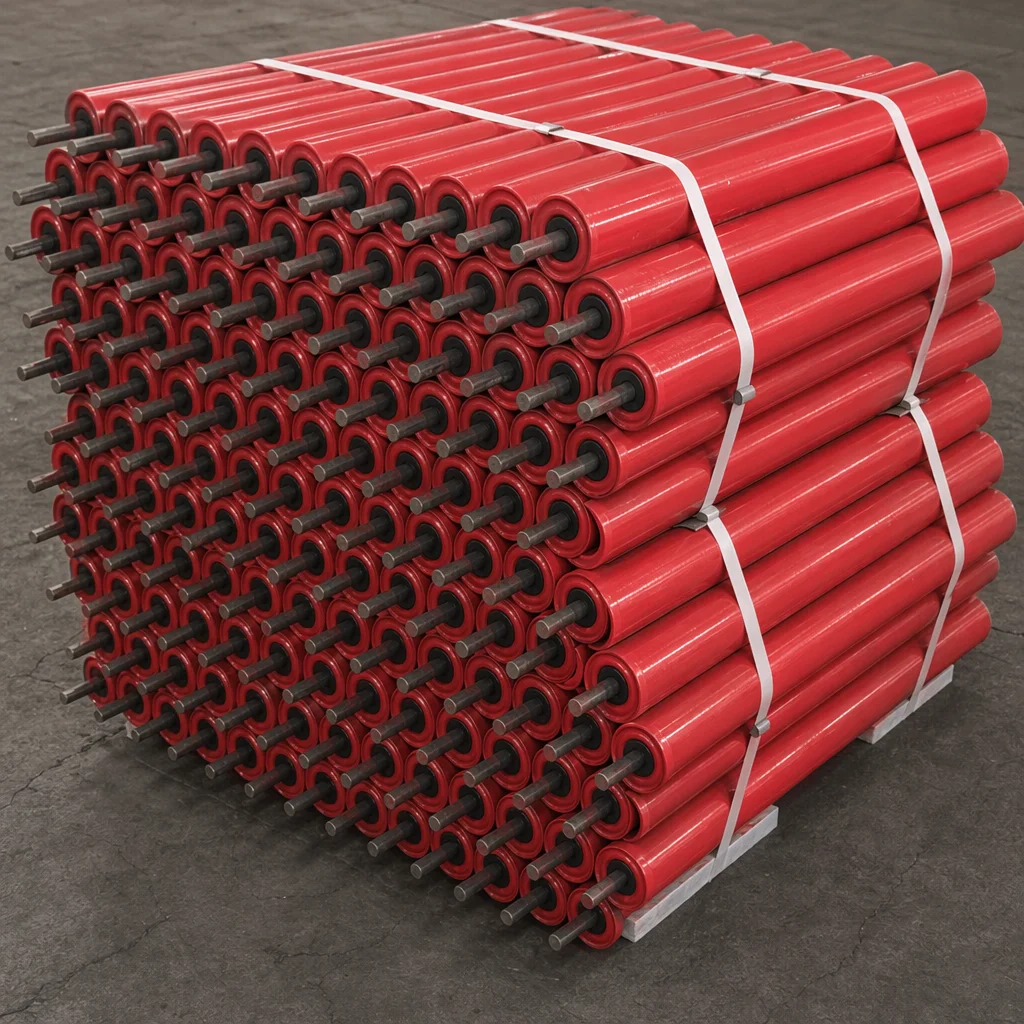
How to Select and Optimize Conveyor Rollers for Heavy-Duty Industrial Applications
Conveyor rollers are the unsung heroes of bulk material handling. Specifying the correct tube thickness, bearing clearance, and sealing system can reduce operational downtime by up to 40%.
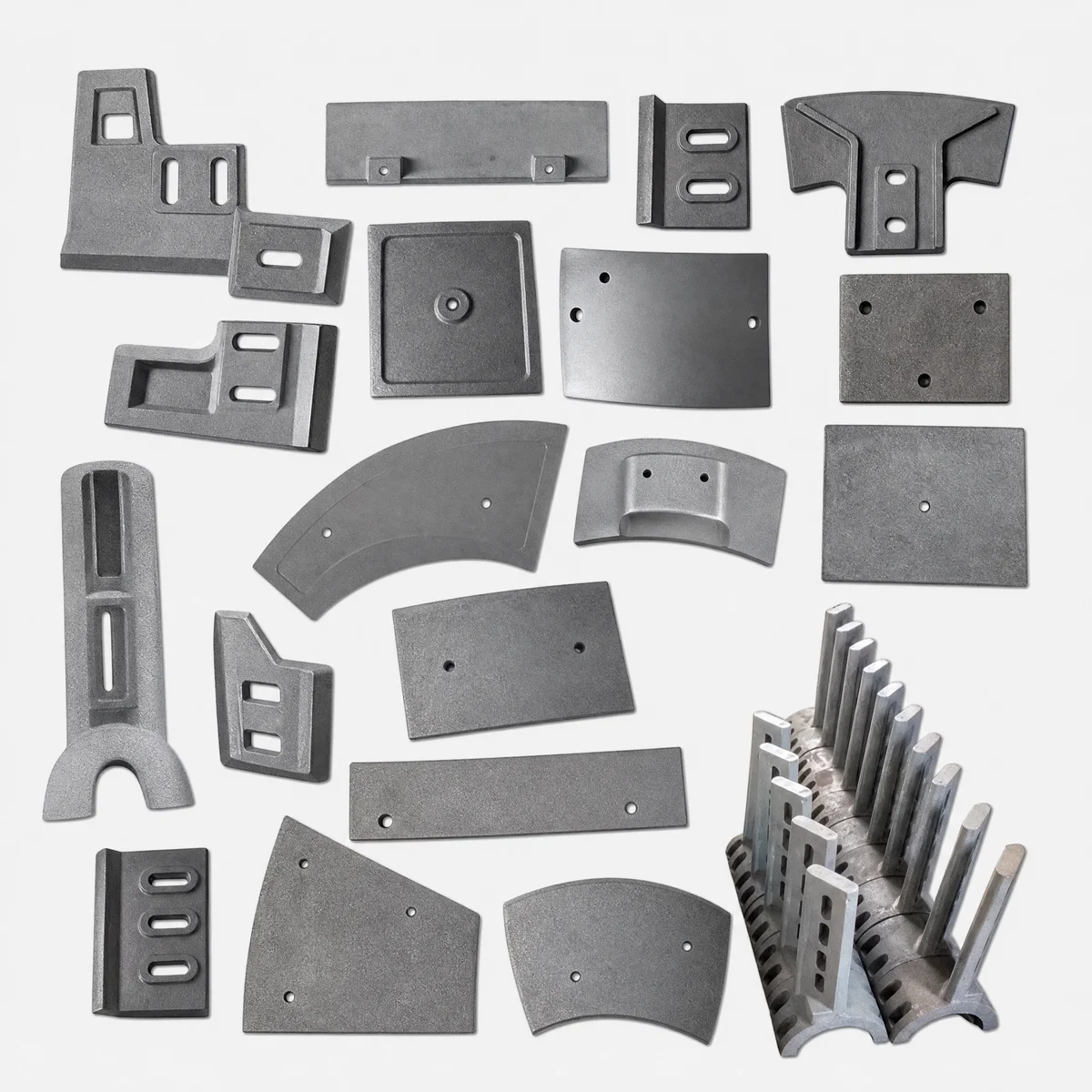
Concrete Mixer Arm Maintenance & Troubleshooting Guide: Preventing Keyway Shearing, Arm Fracture, and Blade Alignment Failures
Loose hub clamp bolts and misaligned mixing arms are the leading causes of mixer shaft keyway shearing and severe liner gouging. Follow this field maintenance guide to calibrate arm pitch and eliminate emergency downtime.