PRODUCTS
Stay informed with the latest news, technical insights, user guides, and documentation for industrial wear parts.
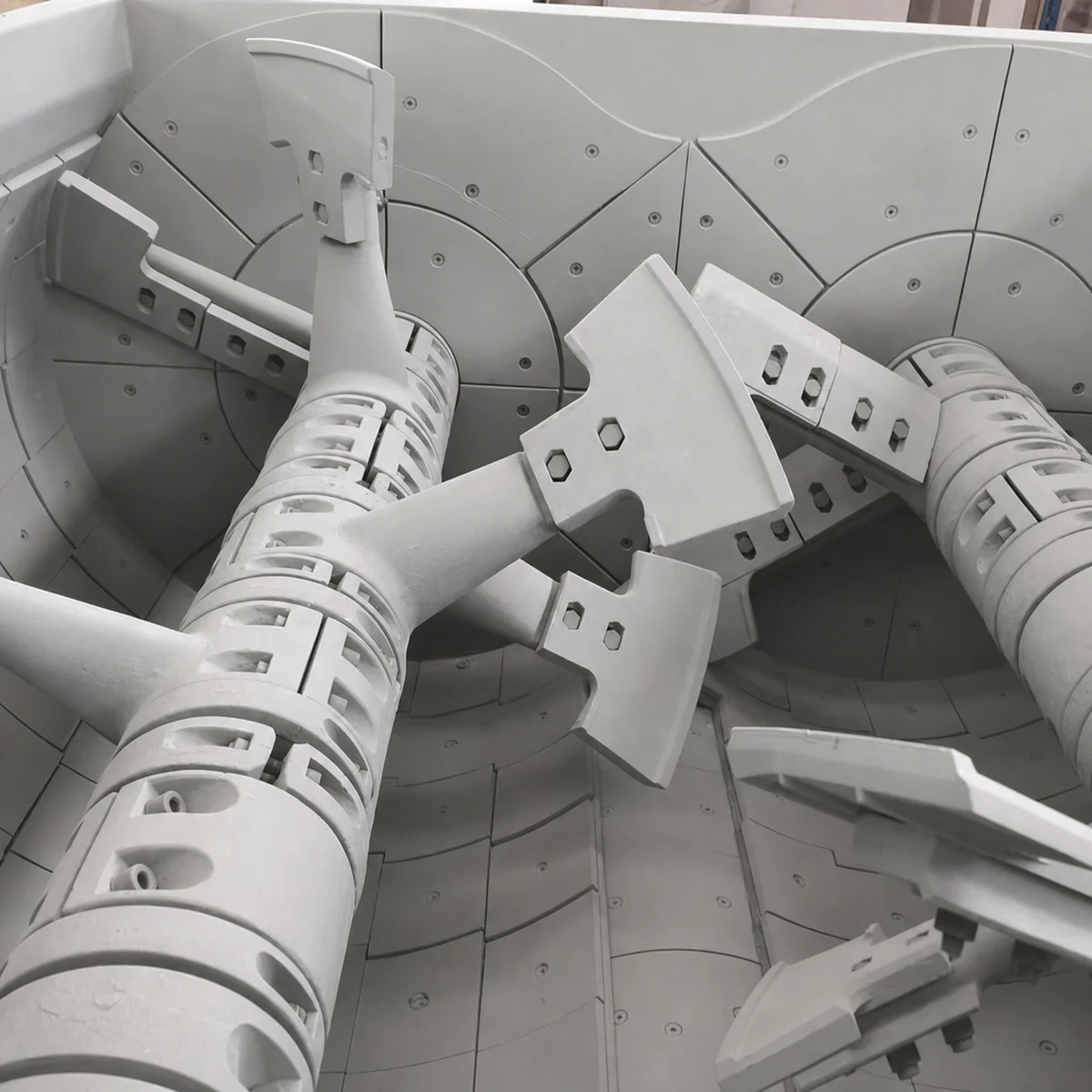
Uneven liner wear and loose countersunk bolts are the leading causes of mixer drum gouging and unscheduled downtime in batching plants. This guide covers step-by-step maintenance protocols, clearance tuning, and failure prevention.
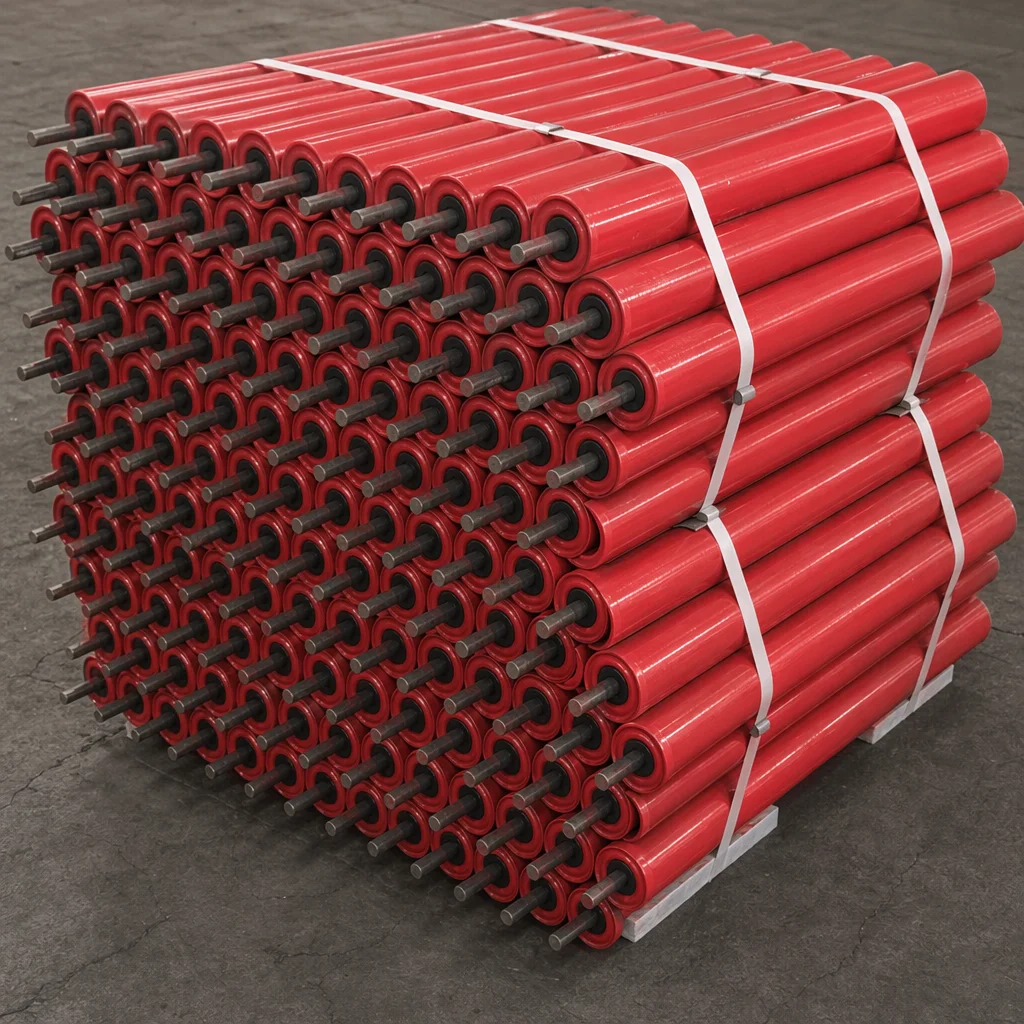
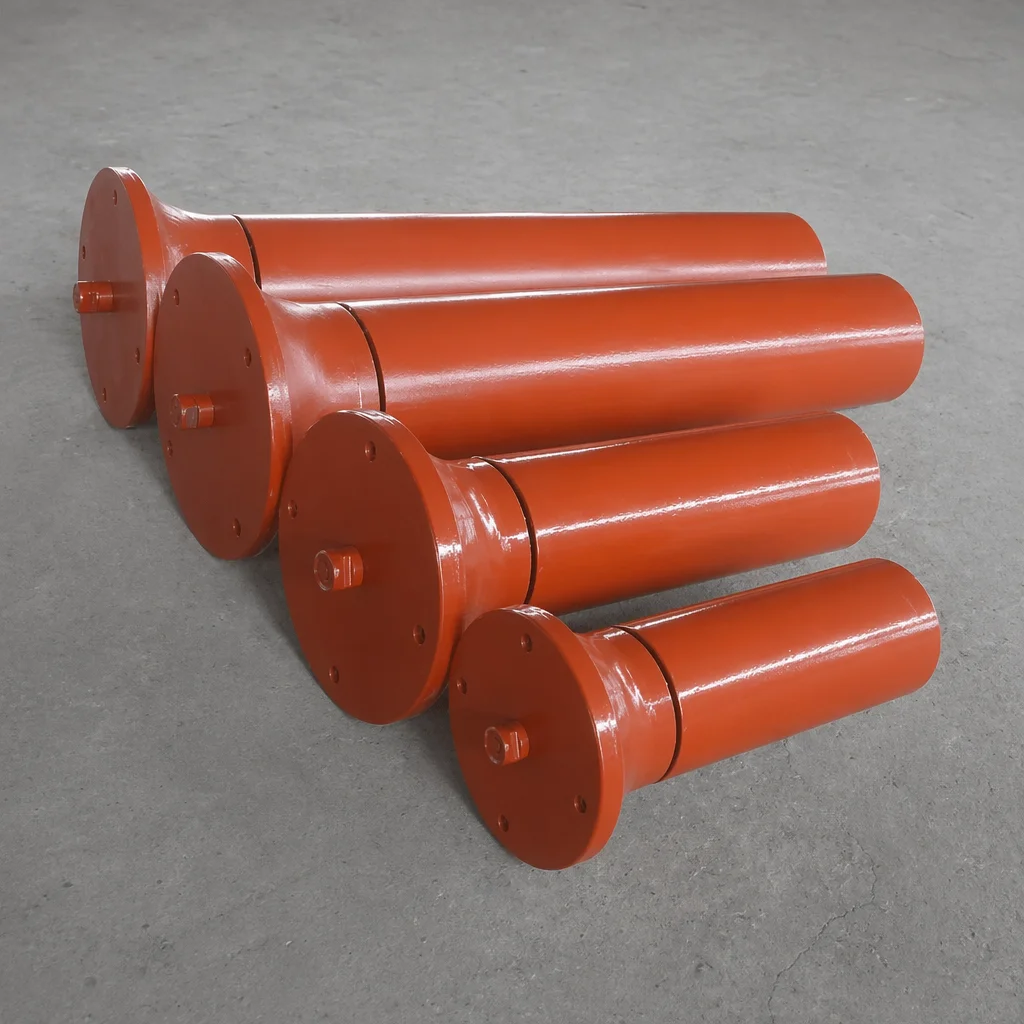
Conveyor rollers are the unsung heroes of bulk material handling. Specifying the correct tube thickness, bearing clearance, and sealing system can reduce operational downtime by up to 40%.
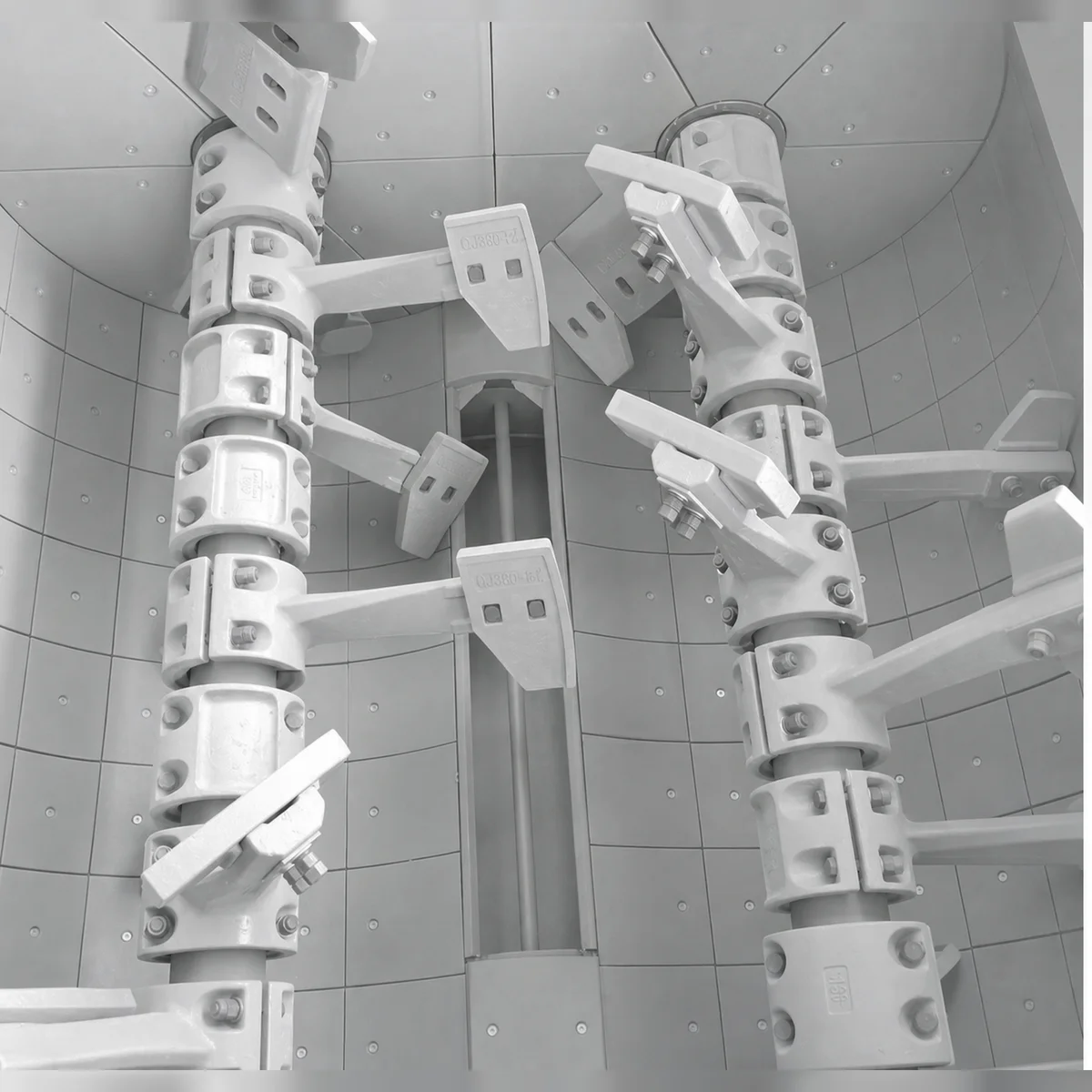
Loose hub clamp bolts and misaligned mixing arms are the leading causes of mixer shaft keyway shearing and severe liner gouging. Follow this field maintenance guide to calibrate arm pitch and eliminate emergency downtime.
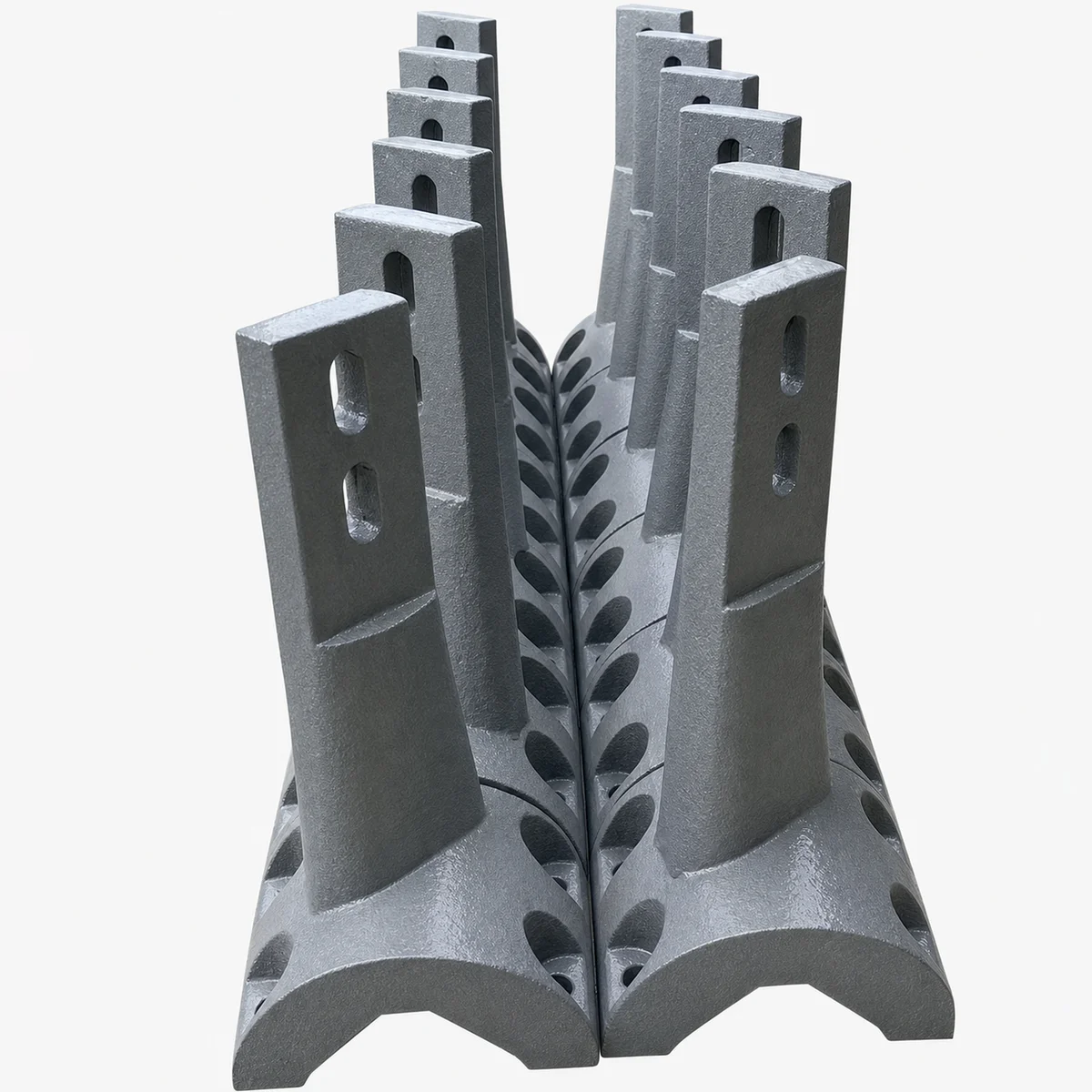
Concrete mixer arms endure massive cyclical bending moments, aggregate impact, and torsional shear. Specifying high-spheroidization ductile iron (GS700) or forged alloy steel prevents catastrophic arm snap and protects mixer drive gearboxes.
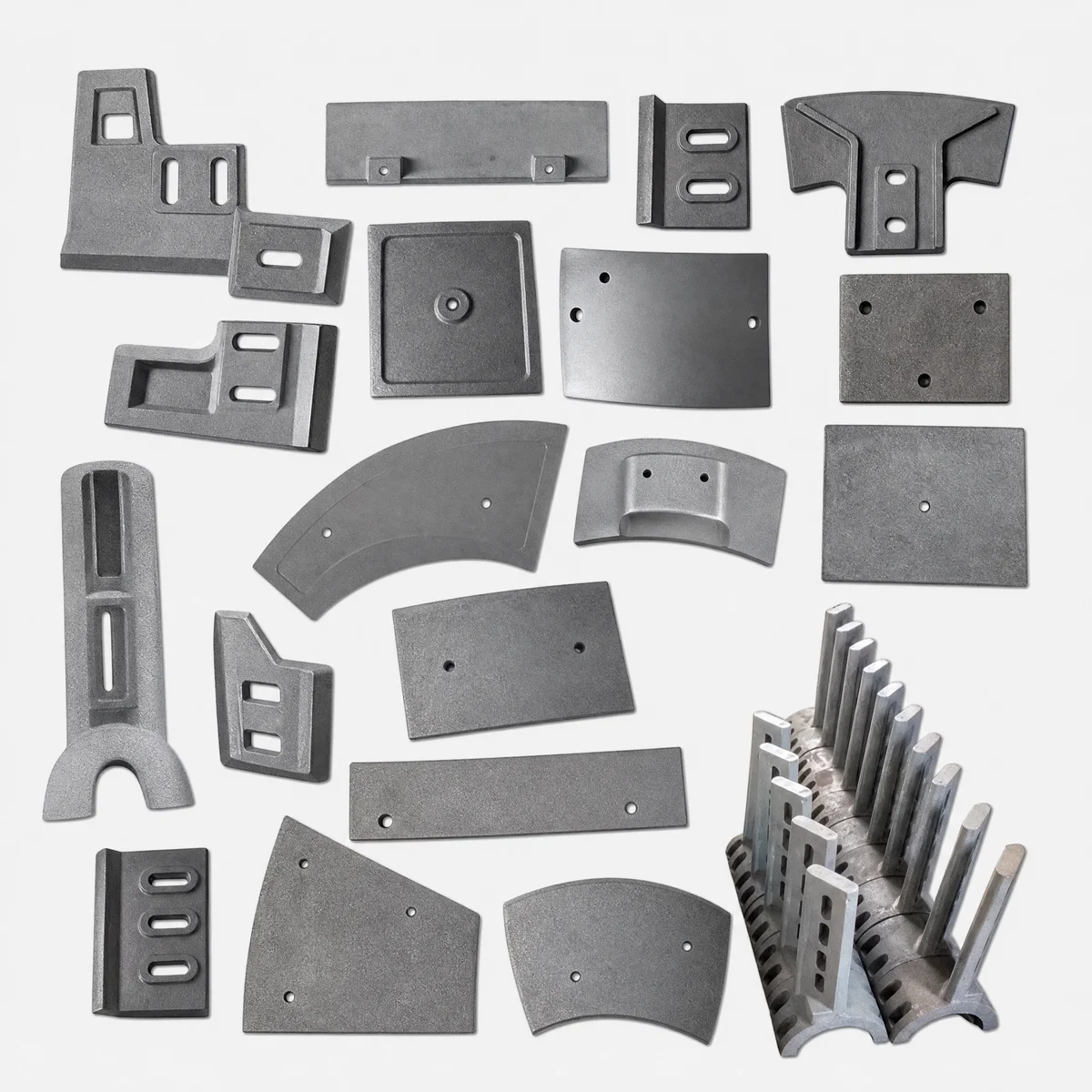
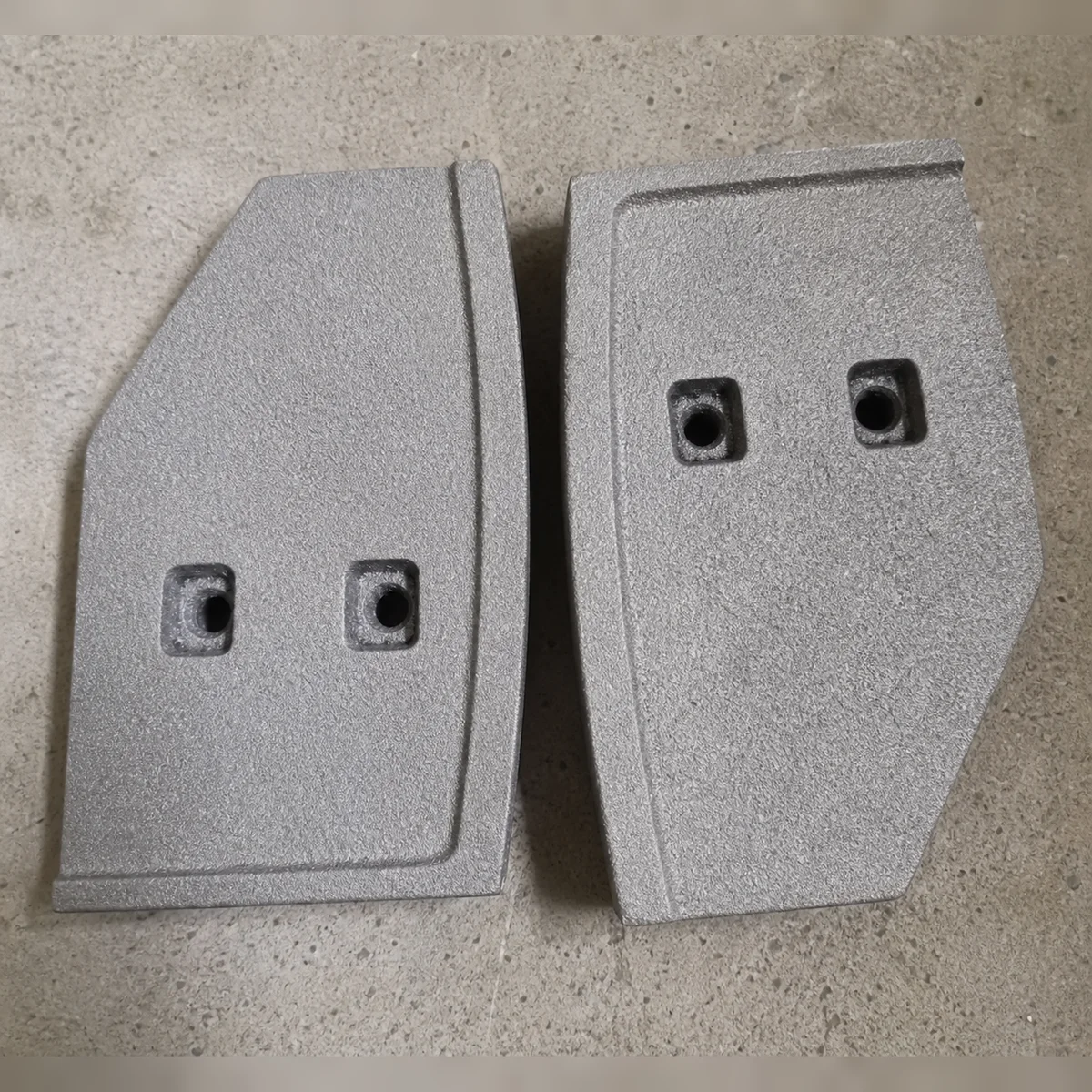
Concrete mixer liners are subjected to relentless abrasive scouring from sharp quartz, granite, and gravel aggregates. Selecting the right high-chromium alloy grade and matrix hardness can triple wear life and reduce batching plant downtime.
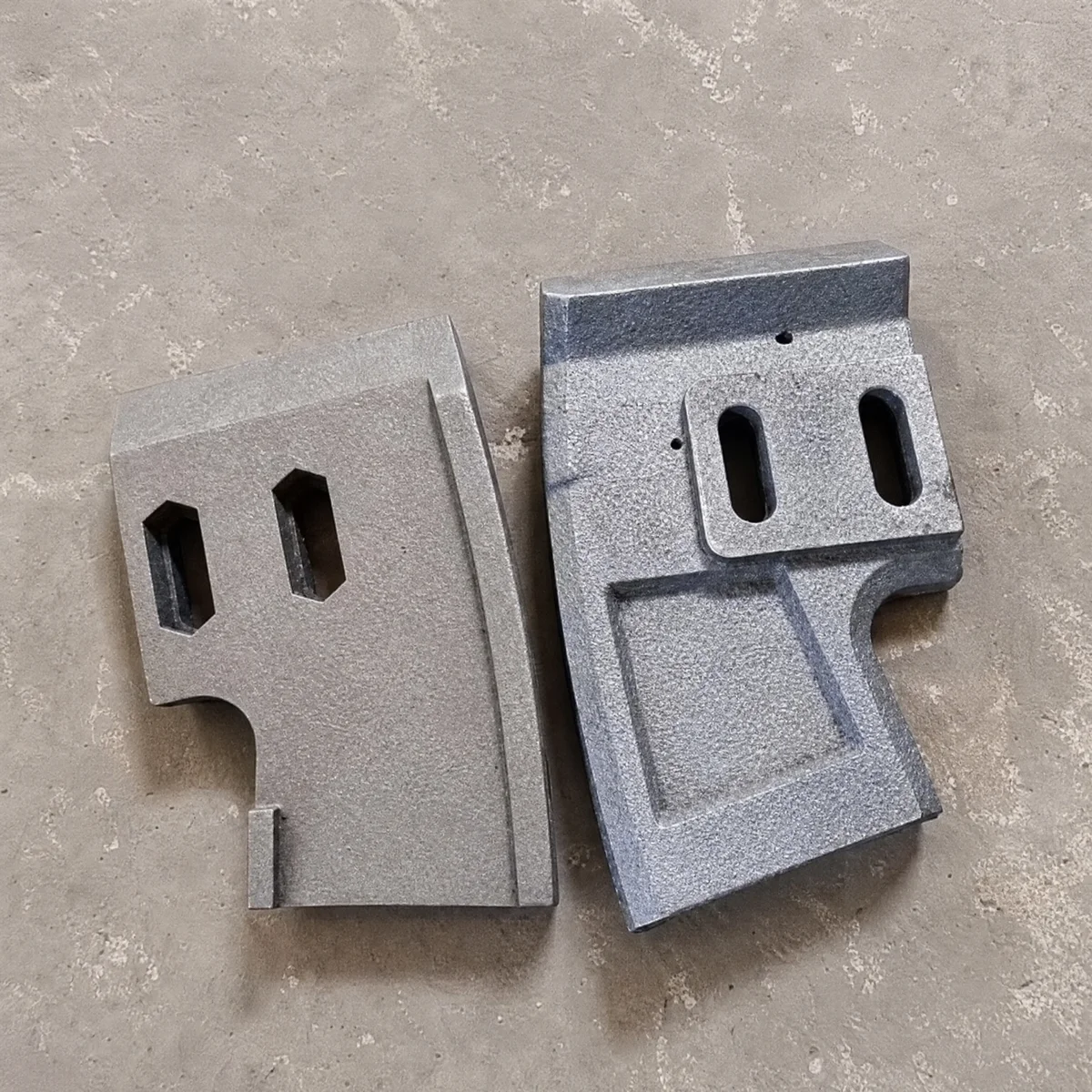
Concrete mixer blades and scrapers determine batch homogenization speed and energy consumption. Upgrading from standard Ni-Hard iron to Cr26 high-chromium alloys or tungsten carbide hardfacing extends wear life by up to 300%.
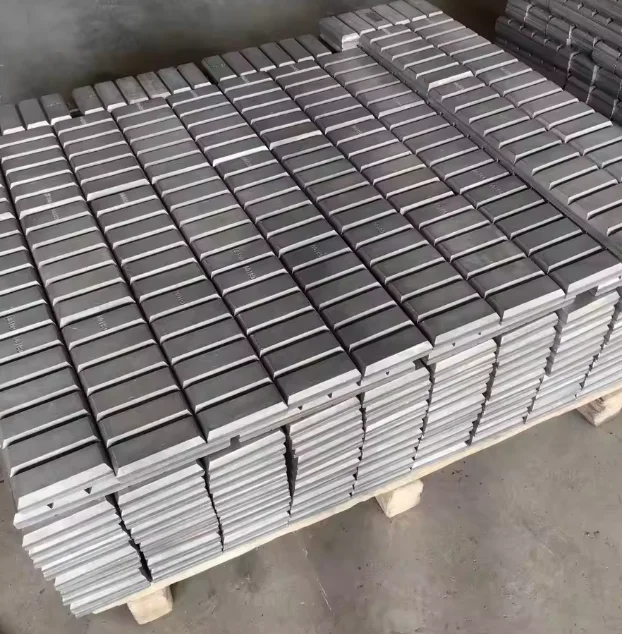
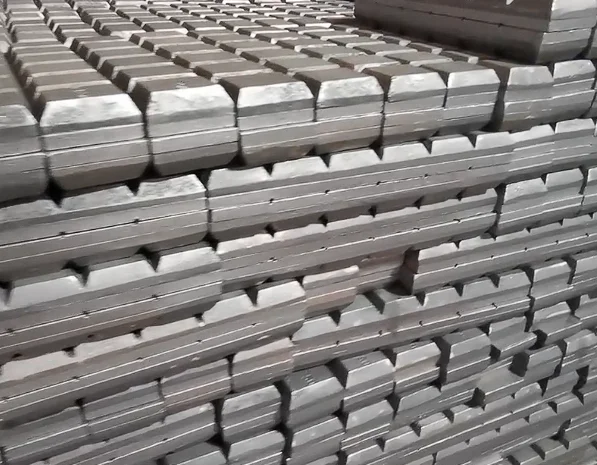
Bi-metallic wear blocks combine extreme abrasion resistance with weldability. Discover the metallurgy behind 700 HB chrome-moly white iron and mild steel backing plates.
Worn mixing blade tips and misaligned scrapers increase batching energy consumption and cause severe cement paste segregation. Follow this field maintenance guide to calibrate blade clearance and maximize wear life.
Conveyor belt mistracking is the leading cause of structural damage and material spillage. Discover how precision idler alignment and training rollers eliminate tracking issues.
Selecting the wrong wear liner can lead to premature impact shattering or rapid abrasive wear. Learn how to balance hardness with toughness and master welding installation.
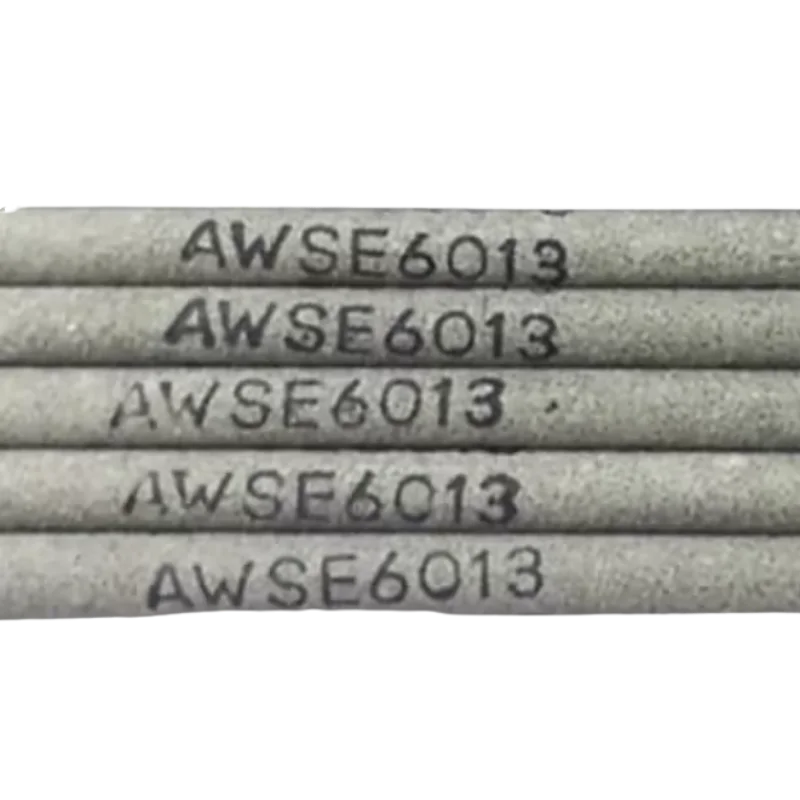
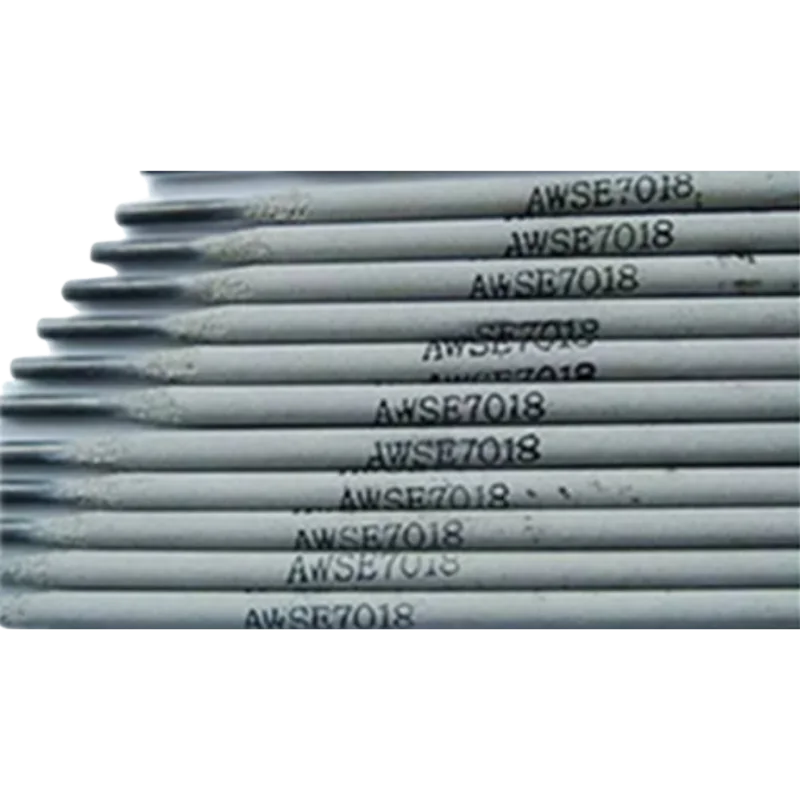
Deciphering the AWS welding rod numbering system is critical for structural integrity. Learn how E6010, E6013, and E7018 coatings dictate penetration, slag, and weld strength.
Loading points and return runs are the most common areas for conveyor belt damage. Discover how rubber and polyurethane-lagged rollers absorb impact and prevent material scaling.
Hydrogen is the primary cause of cold cracking in high-strength steel welds. Discover the metallurgy of E7018 and the storage protocols required to keep hydrogen levels low.