Understanding AWS Classification of Carbon Steel Welding Electrodes: E6010, E6013, and E7018
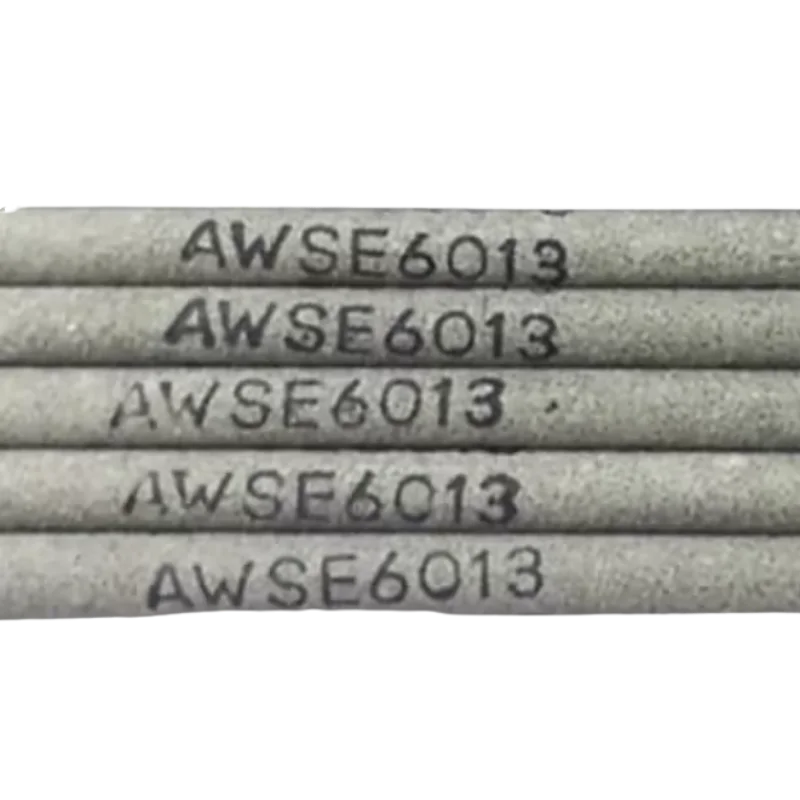
An engineering guide on AWS carbon steel welding electrode classifications. Learn the difference between E6010, E6013, and E7018 electrodes, their coatings, and applications.
In structural steel fabrication, pressure vessel manufacturing, and industrial maintenance, selecting the correct welding consumable is a critical decision. Using the wrong welding rod can result in poor weld penetration, excessive spatter, slag inclusions, or weld cracking under load.
To standardize selection, the American Welding Society (AWS) established the classification system for carbon steel electrodes (AWS A5.1).
This technical guide decodes the AWS classification system, compares the three most widely used industrial electrodes—E6010, E6013, and E7018—and explains how their chemical coatings dictate their performance.
1. Decoding the AWS Classification System
The alphanumeric code stamped on every carbon steel welding rod contains specific engineering data regarding its strength, welding position, and coating chemistry.
E Electrode
70 70,000 PSI Strength
1 All Positions
8 Low Hydrogen Coating
E: Indicates an arc welding electrode.
70: Minimum tensile strength of 70,000 psi (482 MPa) of the deposited weld metal.
1: Indicates the electrode can be used in all welding positions (Flat, Horizontal, Vertical, Overhead).
8: Specifies the coating type (basic/iron powder) and electrical current compatibility (DCEP, AC).
The First Digit: “E”
Indicates an arc welding Electrode.
The Next Two Digits: Tensile Strength
Represents the minimum tensile strength of the deposited weld metal in thousands of pounds per square inch (ksi):
- 60: Minimum tensile strength of 60,000 psi (414 MPa).
- 70: Minimum tensile strength of 70,000 psi (482 MPa).
The Third Digit: Welding Position
Dictates the positions in which the electrode can be successfully operated:
- 1: All positions (Flat, Horizontal, Vertical, Overhead).
- 2: Flat and Horizontal fillet welds only.
- 4: Vertical-down, Flat, Horizontal, and Overhead.
The Fourth Digit: Coating and Current
Indicates the chemical composition of the flux coating, the penetration depth, and the electrical current compatibility (AC, DCEP, or DCEN).
2. Coating Chemistry: Cellulose vs. Rutile vs. Low-Hydrogen
The flux coating on a welding rod performs several functions: it stabilizes the arc, generates a shielding gas to protect the weld pool from atmospheric oxygen and nitrogen, and forms a protective slag over the cooling weld bead.
Comparison of Core Welding Electrodes
E6010 (Cellulose)
High cellulose organic coating. Delivers a violent, deeply penetrating arc with minimal slag.
E6013 (Rutile)
High titanium dioxide (rutile) coating. Produces a soft, stable arc, low spatter, and easily removable slag.
E7018 (Low-Hydrogen)
Iron powder, low-hydrogen mineral coating. Depositing high-strength, crack-resistant weld metal.
3. Engineering Performance Matrix
The following matrix compares the mechanical and operating characteristics of these three critical electrodes:
| Parameter | E6010 | E6013 | E7018 |
|---|---|---|---|
| Tensile Strength | 62,000 psi (427 MPa) | 67,000 psi (462 MPa) | 72,000 psi (496 MPa) |
| Yield Strength | 50,000 psi (345 MPa) | 58,000 psi (400 MPa) | 60,000 psi (414 MPa) |
| Arc Force & Penetration | Violent / Deep Penetration | Soft / Light-to-Medium | Medium / Medium-to-Deep |
| Slag Characteristic | Very thin, easily cleaned | Heavy, self-peeling | Medium, glassy, requires chipping |
| Current Compatibility | DCEP only | AC, DCEN, DCEP | DCEP, AC |
| Weld Quality (X-Ray) | Good | Fair | Outstanding (X-ray quality) |
4. Selection Guidelines for B2B Procurement and Engineering
When specifying welding consumables for a project, consider the following application rules:
Specifying E6010: The Pipe Welder’s Rod
E6010 is the industry standard for the root pass of open-butt pipe welds (such as oil and gas pipelines). Its aggressive arc forces the weld metal through the gap, creating a solid backside bead (high penetration). It is also highly tolerant of rust, oil, and paint.
Specifying E6013: The General Fabricator’s Rod
E6013 is optimized for thin sheet metal, light structural frames, and cosmetic welds. Because it has a very stable arc and low spatter, it is easy for welders to control. It is also highly effective when using small, portable AC welding machines.
Specifying E7018: The Structural Standard
E7018 is mandatory for all structural steel buildings, bridges, pressure vessels, and heavy machinery fabrications. The iron powder in the coating increases the deposition rate, while the low-hydrogen mineral base ensures the weld metal is free of microscopic cracks, making it capable of surviving high dynamic loads.
Conclusion: Partner with VOTNE for Certified Welding Consumables
Consistent weld quality requires consistent electrode manufacturing. At VOTNE, our carbon steel welding electrodes are manufactured using ultra-pure steel cores and precision-extruded flux coatings. Whether you need the deep penetration of E6010, the smooth operability of E6013, or the certified low-hydrogen performance of E7018, VOTNE consumables are batch-tested to exceed AWS standards.
Contact our sales and engineering team today to receive product data sheets, chemical mill certificates, or a B2B volume quotation.
- Email: sales@votne.com
- Technical Support: Fill out our Contact Form to consult with a B2B parts specialist.
الكلمات الدالة
موارد ذات صلة
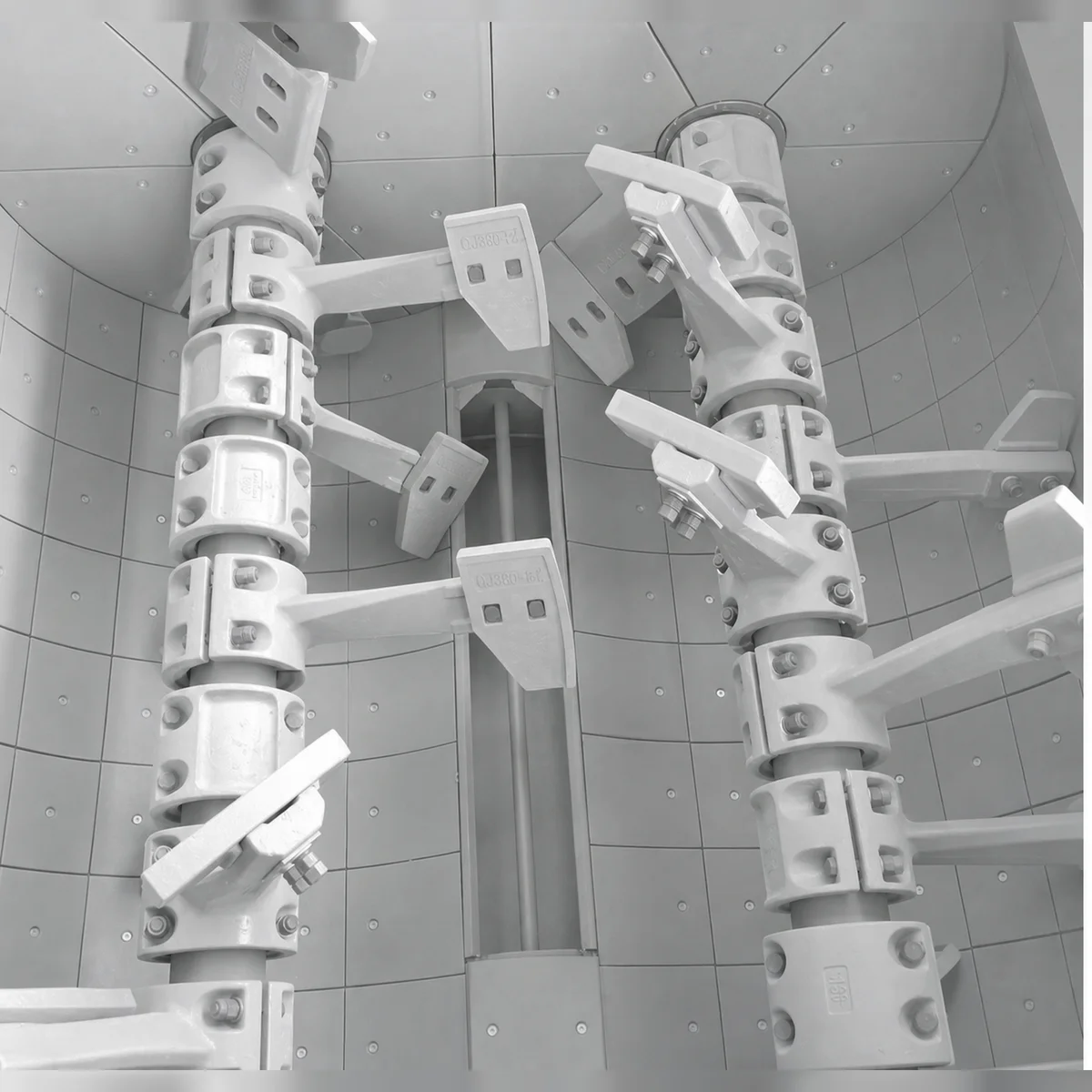
Concrete Mixer Liner Maintenance & Replacement Guide: Troubleshooting Wear Patterns, Bolt Torque Specs, and Downtime Reduction
Uneven liner wear and loose countersunk bolts are the leading causes of mixer drum gouging and unscheduled downtime in batching plants. This guide covers step-by-step maintenance protocols, clearance tuning, and failure prevention.
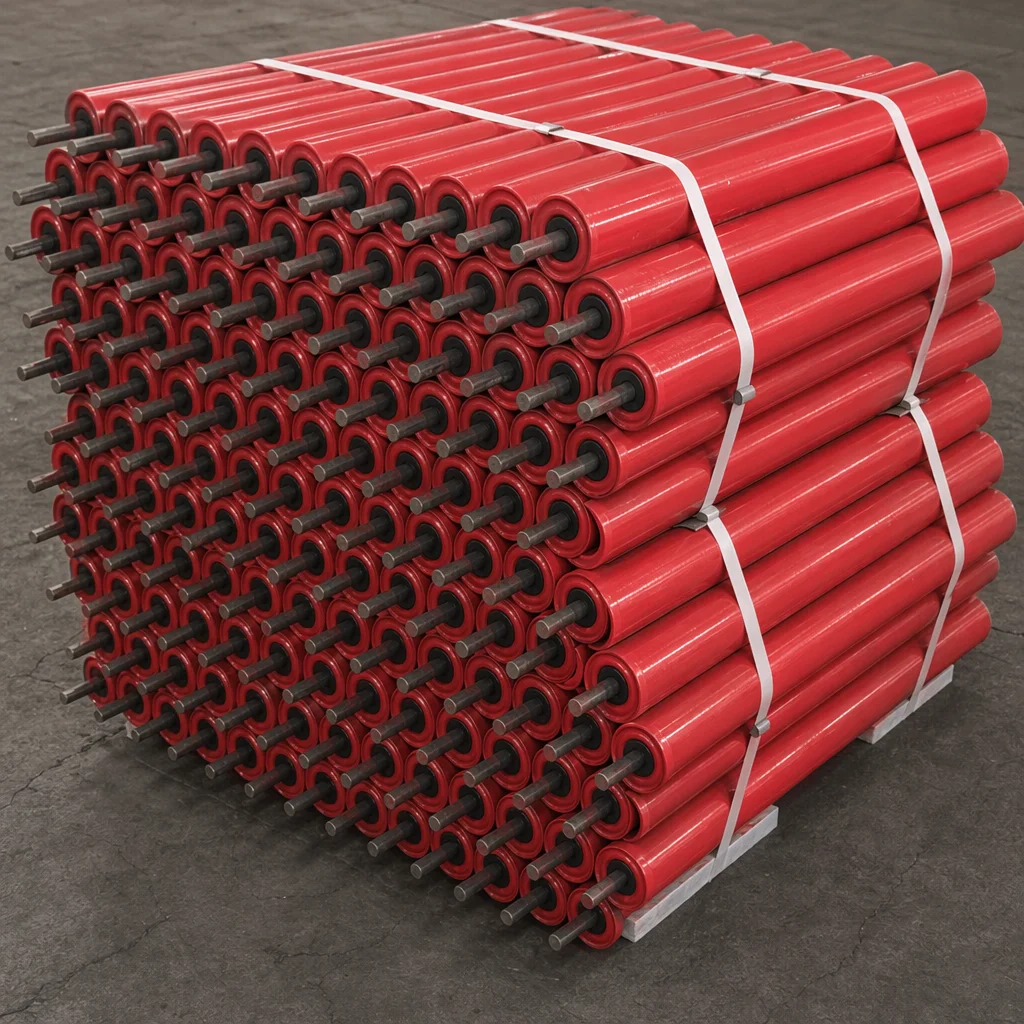
How to Select and Optimize Conveyor Rollers for Heavy-Duty Industrial Applications
Conveyor rollers are the unsung heroes of bulk material handling. Specifying the correct tube thickness, bearing clearance, and sealing system can reduce operational downtime by up to 40%.
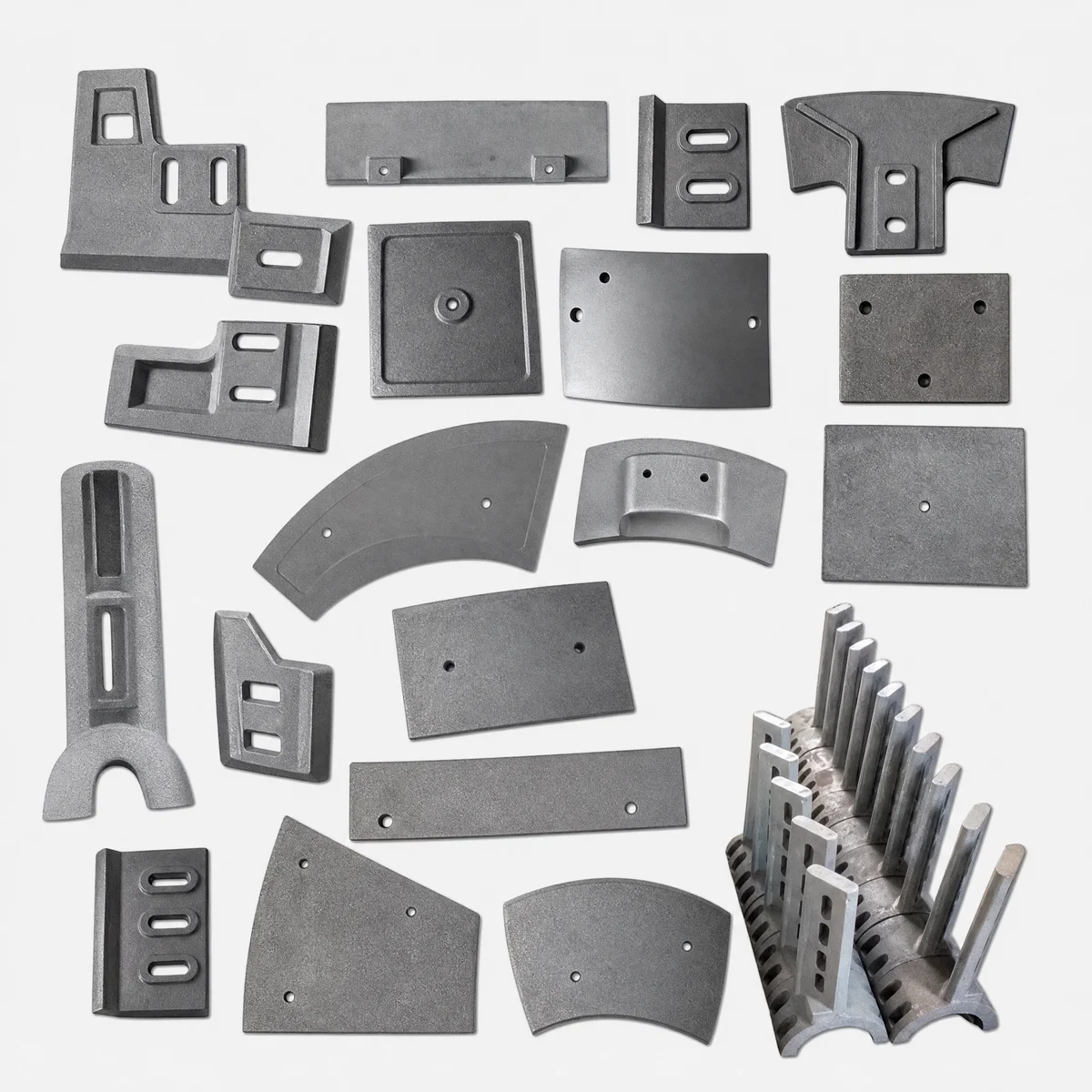
Concrete Mixer Arm Maintenance & Troubleshooting Guide: Preventing Keyway Shearing, Arm Fracture, and Blade Alignment Failures
Loose hub clamp bolts and misaligned mixing arms are the leading causes of mixer shaft keyway shearing and severe liner gouging. Follow this field maintenance guide to calibrate arm pitch and eliminate emergency downtime.