Low-Hydrogen Welding Electrodes: The Metallurgy of E7018 and Controlling Hydrogen-Induced Cracking
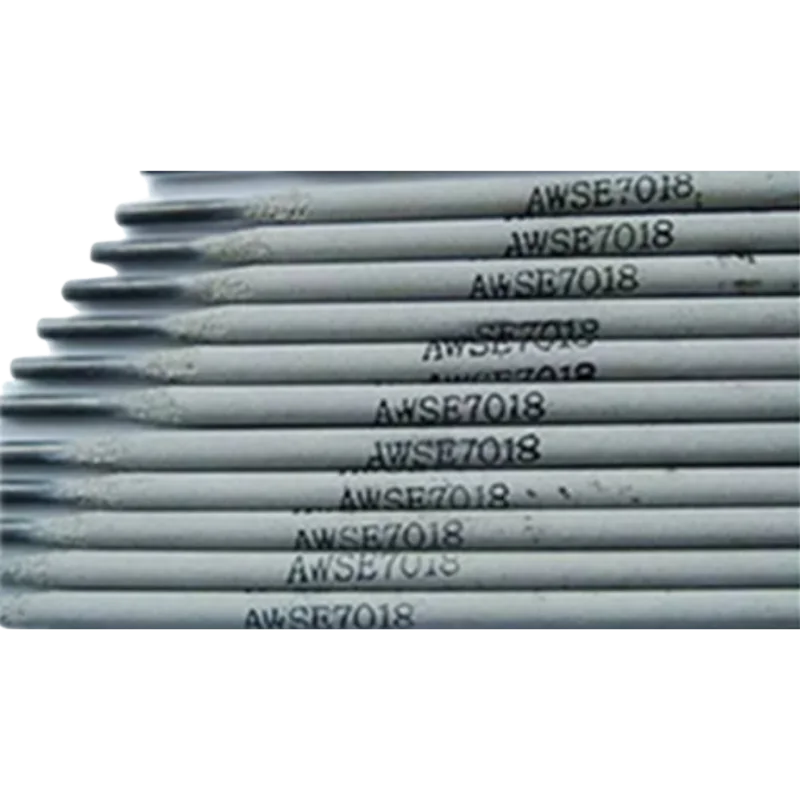
A metallurgical guide on low-hydrogen E7018 welding electrodes. Learn how hydrogen-induced cracking occurs and the proper storage and rebaking procedures.
In high-strength structural welding, the presence of microscopic hydrogen in the weld metal is a severe risk. As the weld cools, hydrogen gas can trapped inside the steel lattice, creating localized stresses that eventually lead to Hydrogen-Induced Cracking (HIC), also known as cold cracking or delayed cracking.
Because cold cracking can occur up to 72 hours after the welding is completed, it is extremely difficult to detect during immediate post-weld inspections, posing a major threat to structural integrity.
To prevent HIC, engineers specify low-hydrogen welding electrodes, with AWS E7018 being the most widely utilized.
This technical guide analyzes the metallurgy of E7018, the mechanism of hydrogen-induced cracking, and the strict storage and rebaking protocols required to maintain low-hydrogen status.
1. The Mechanism of Hydrogen-Induced Cracking (HIC)
For hydrogen-induced cracking to occur, three distinct conditions must be present simultaneously in the weldment. If any one of these conditions is eliminated, HIC will not occur.
Diffusible Hydrogen
Dissolved hydrogen atoms in the weld metal pool.
High Residual Stresses
Stresses from thermal contraction during cooling.
Susceptible Microstructure
Brittle martensite formed by rapid cooling rates.
Combined Result: Cold Cracking / HIC Occurs
- Diffusible Hydrogen: Hydrogen atoms dissolved in the molten weld pool. The primary source is moisture ($H_2O$) in the electrode’s flux coating, which dissociates into hydrogen and oxygen under the intense heat of the electric arc.
- High Tensile Stresses: Stresses created by the thermal contraction of the cooling weld metal, especially in thick, highly restrained joints.
- Susceptible Microstructure: Hard, brittle microstructures (such as martensite) that form in the Heat Affected Zone (HAZ) of high-strength steels when they cool too quickly.
2. The Metallurgy of E7018: How it Works
The E7018 electrode is specifically formulated to eliminate the first condition: diffusible hydrogen.
The Flux Coating Chemistry
The coating of an E7018 electrode belongs to the basic or lime-fluorspar family. It is rich in calcium carbonate ($CaCO_3$), calcium fluoride ($CaF_2$), and iron powder:
- Carbonate Decomposition: During welding, the calcium carbonate decomposes to produce carbon dioxide ($CO_2$) and carbon monoxide ($CO$). This gas shield contains virtually zero hydrogen, protecting the weld pool without introducing moisture.
- Fluoride Cleaning: The calcium fluoride reacts with any trace hydrogen in the arc to form hydrogen fluoride ($HF$), which is insoluble in molten steel and escapes into the atmosphere.
- Iron Powder: The addition of 25% to 40% iron powder in the flux increases the deposition rate and helps stabilize the arc, allowing for a flatter, higher-quality weld bead.
3. Storage and Rebaking Protocols: Protecting the Electrode
Low-hydrogen electrodes are highly hygroscopic; they actively absorb moisture from the surrounding atmosphere. If a box of E7018 is left open on a workshop bench, it will absorb enough moisture within a few hours to lose its low-hydrogen status, behaving instead like a high-hydrogen rod.
To maintain the low-hydrogen properties (typically less than 8 ml of diffusible hydrogen per 100g of weld metal, designated as H8 or H4), structural fabrication shops must follow strict storage and rebaking procedures:
Low-Hydrogen Electrode Thermal Management
1. Storage Ovens
Once hermetically sealed cans are opened, the electrodes must be immediately transferred to a holding oven.
Oven Temp: 120°C to 150°C (250°F to 300°F)
2. Exposure Limits
Welders must carry electrodes in sealed heated quivers. The maximum atmospheric exposure limit before rebaking is required.
Max Exposure: 4 Hours (for E7018)
3. Rebaking Procedure
If electrodes are exposed beyond the limit, they must be rebaked in a dedicated baking oven to drive out moisture.
Bake Temp: 350°C to 400°C (660°F to 750°F) for 1-2 Hours
4. Best Practices to Prevent Cold Cracking
In addition to using properly stored E7018 electrodes, welding engineers implement the following steps to eliminate cold cracking:
- Preheating: Preheating the parent steel (typically between 100°C and 250°C depending on the carbon equivalent and plate thickness) slows the cooling rate of the weld. This prevents the formation of brittle martensite in the HAZ and allows dissolved hydrogen more time to diffuse out of the steel before it solidifies.
- Post-Weld Heat Treatment (PWHT): In thick structural joints, holding the completed weld at an elevated temperature (e.g., 150°C to 200°C for 2 to 4 hours immediately after welding) acts as a hydrogen bake-out, accelerating the diffusion of hydrogen out of the joint.
- Interpass Temperature Control: Maintain the specified minimum interpass temperature during multi-pass welding to ensure consistent thermal distribution.
Conclusion: Specify VOTNE for Guaranteed Low-Hydrogen Performance
Structural integrity cannot be compromised. At VOTNE, our E7018 low-hydrogen electrodes are manufactured with a moisture-resistant flux formulation that slows down moisture absorption in humid environments. They are packaged in vacuum-sealed, hermetic aluminum cans to guarantee they arrive at your job site dry and ready for immediate use.
Contact our welding engineering division today to receive welding procedure specifications (WPS), batch certificates, or to request a quote.
- Email: welding-tech@votne.com
- Technical Support: Fill out our Contact Form to consult with a B2B parts specialist.
الكلمات الدالة
موارد ذات صلة
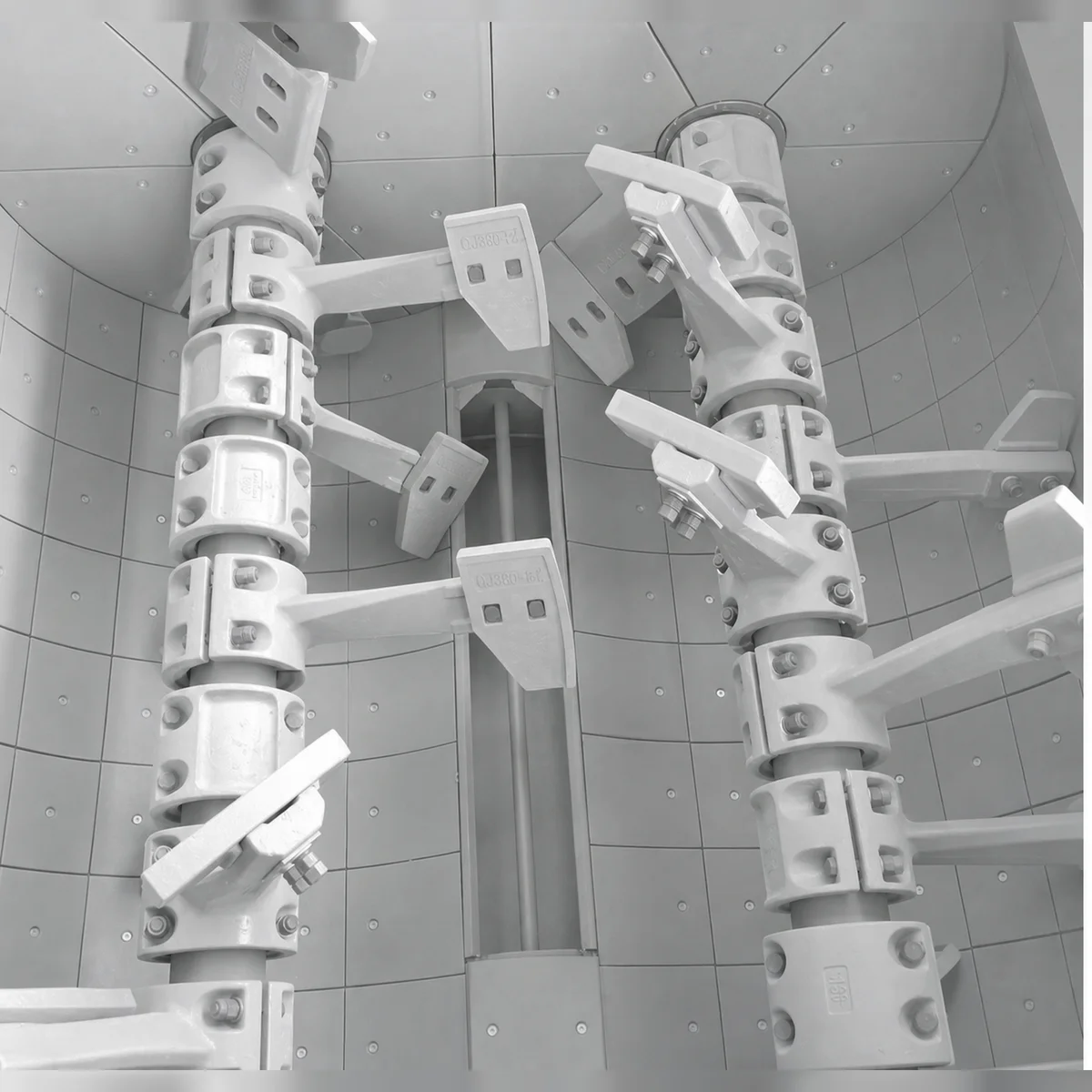
Concrete Mixer Liner Maintenance & Replacement Guide: Troubleshooting Wear Patterns, Bolt Torque Specs, and Downtime Reduction
Uneven liner wear and loose countersunk bolts are the leading causes of mixer drum gouging and unscheduled downtime in batching plants. This guide covers step-by-step maintenance protocols, clearance tuning, and failure prevention.
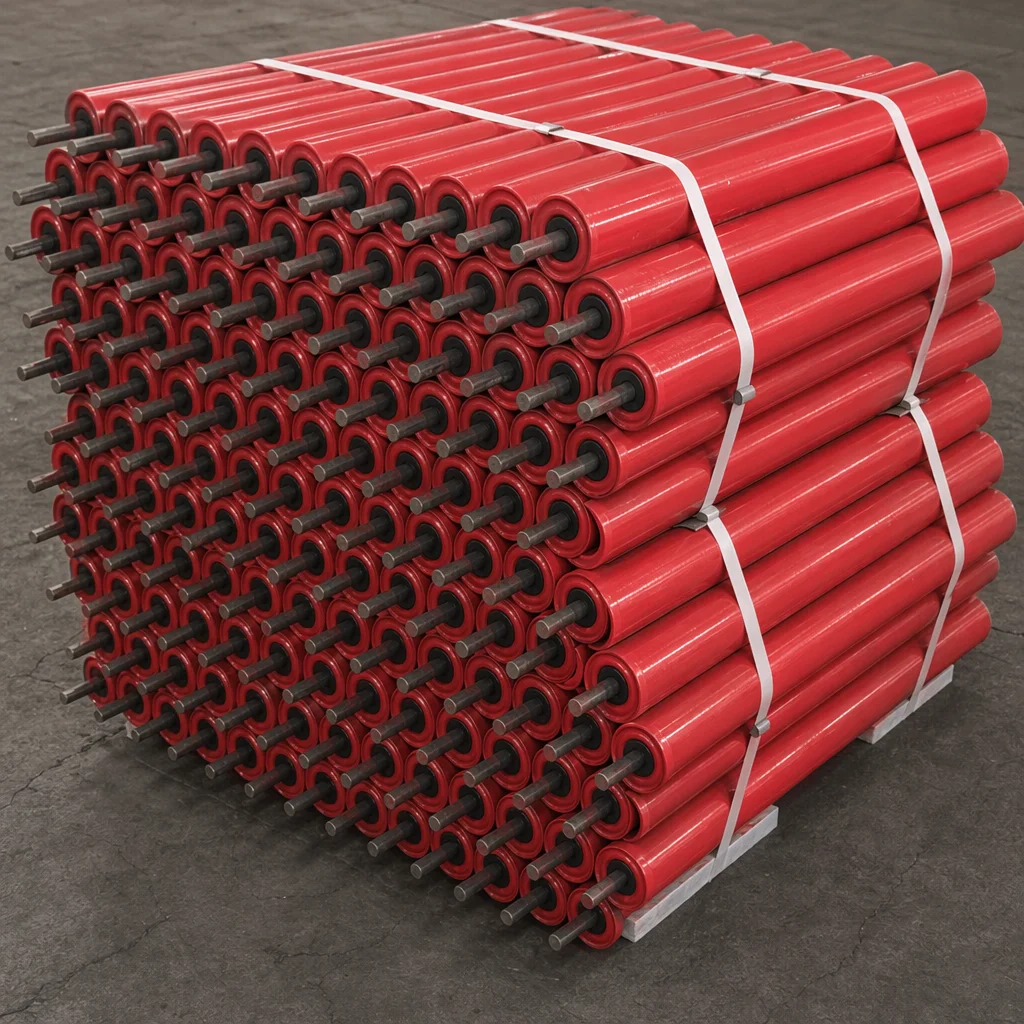
How to Select and Optimize Conveyor Rollers for Heavy-Duty Industrial Applications
Conveyor rollers are the unsung heroes of bulk material handling. Specifying the correct tube thickness, bearing clearance, and sealing system can reduce operational downtime by up to 40%.
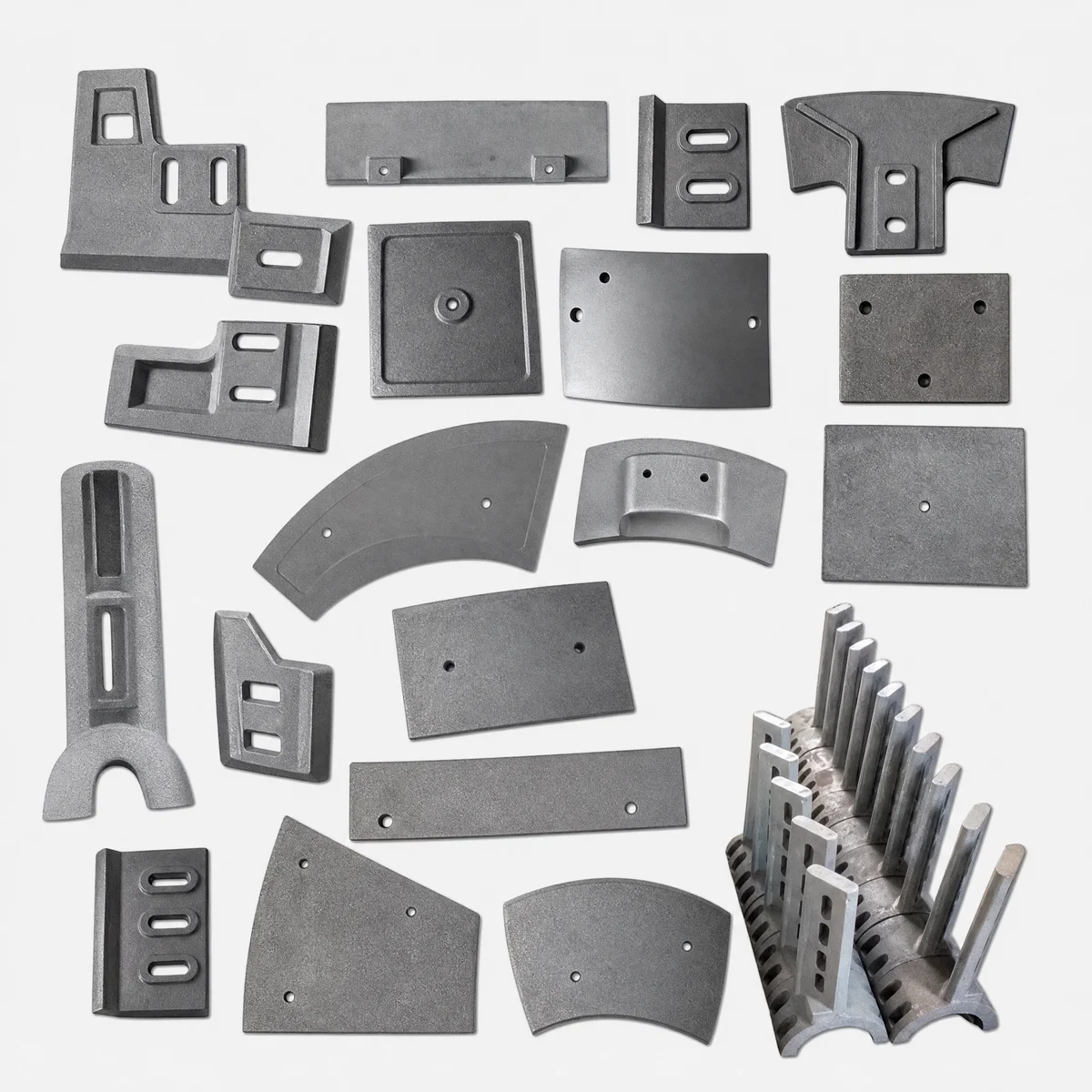
Concrete Mixer Arm Maintenance & Troubleshooting Guide: Preventing Keyway Shearing, Arm Fracture, and Blade Alignment Failures
Loose hub clamp bolts and misaligned mixing arms are the leading causes of mixer shaft keyway shearing and severe liner gouging. Follow this field maintenance guide to calibrate arm pitch and eliminate emergency downtime.